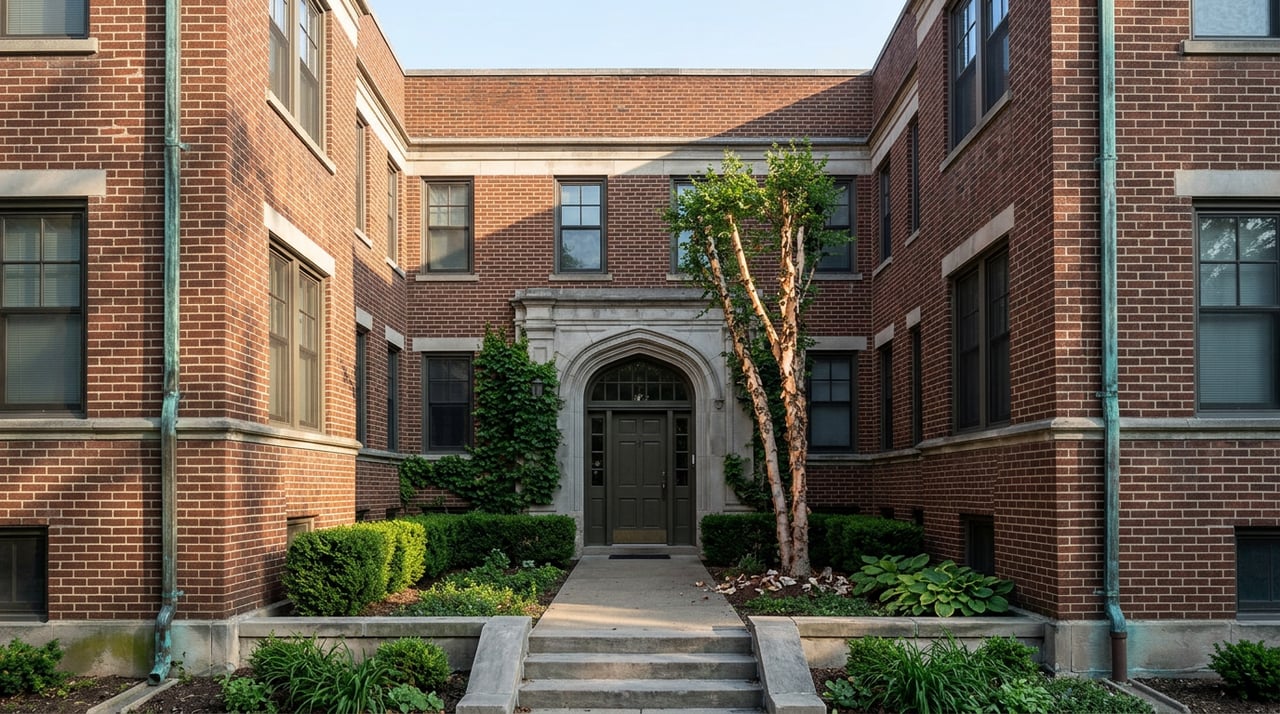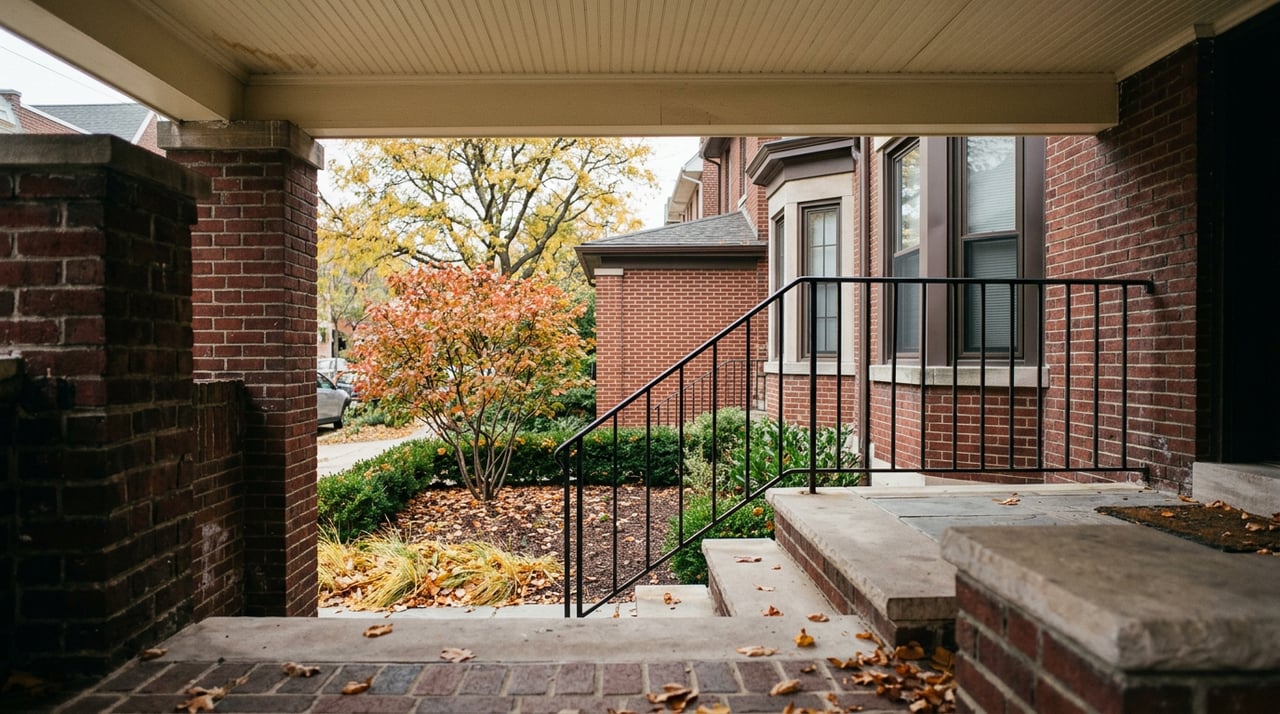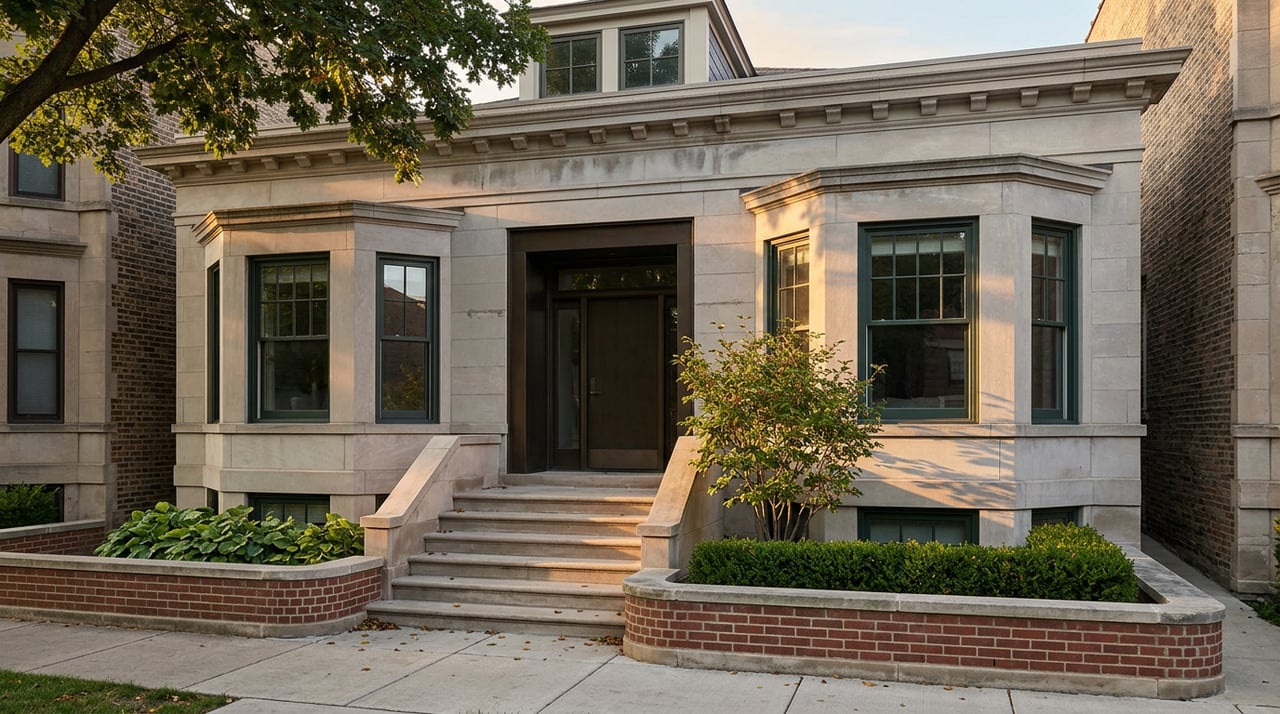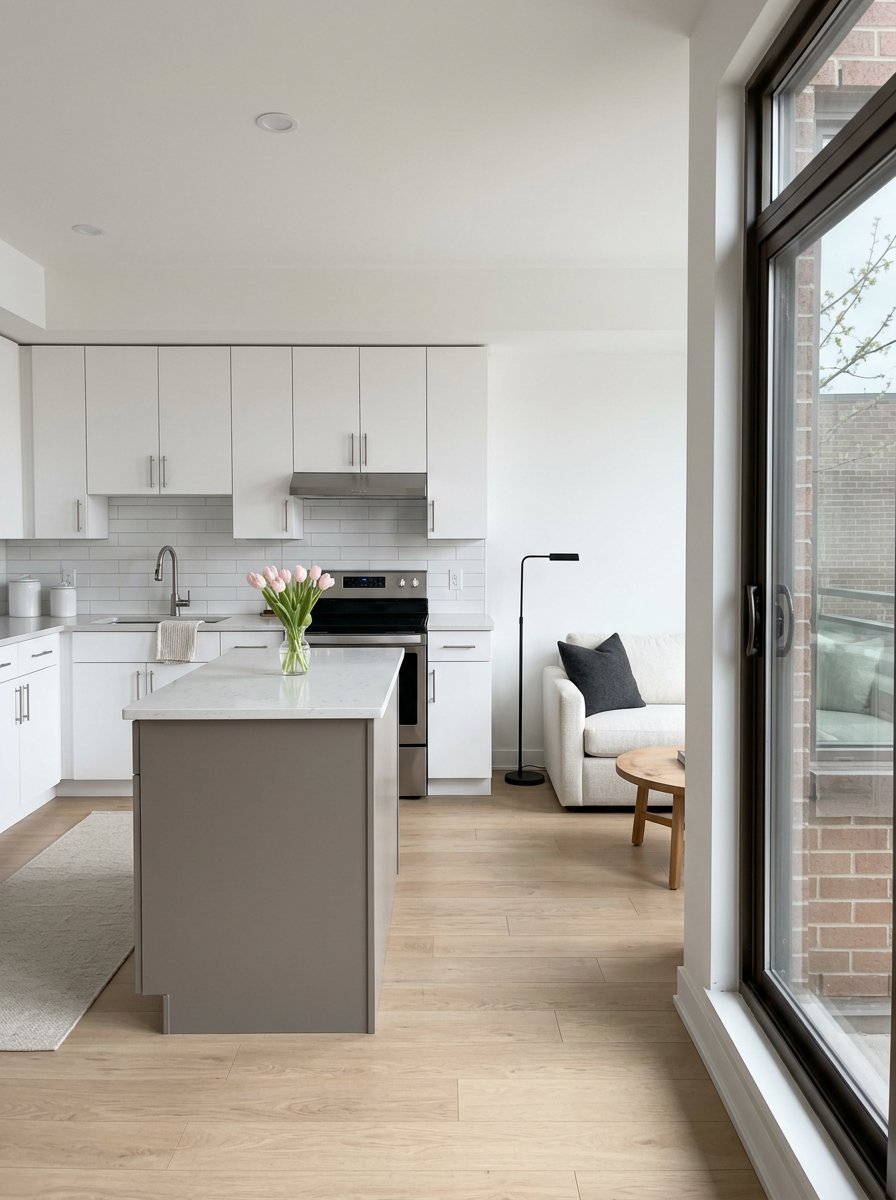
Spring buyers move fast in Edgewater, and the condos that shine are the ones that feel move‑in ready, read clean on disclosures, and answer HOA questions up front. If you are aiming for a spring launch, you face a different checklist than single-family homes, from the 22.1 resale package to flood and insurance items near the Rock River. This guide gives you a clear 3–6 month plan so you can list with confidence, avoid avoidable delays, and maximize showings. Let’s dive in.
Why spring in Edgewater works
Edgewater in Rockford is a compact, historic neighborhood set along the Rock River with a mix of older 20th‑century buildings and riverfront streets. You have a distinct micro-market and a buyer pool that values condition, transparency, and efficient closings. Recent snapshots show a median list price around $182,450 with a median 39 days on market. Spring is typically the highest-traffic season, so getting your unit market-ready by early to mid-spring can boost exposure.
If you are new to the area, the neighborhood association’s site is a helpful local touchpoint for context and contacts. You can learn more on the Edgewater community page at the Rockford Edgewater Neighborhood.
Your 3–6 month roadmap
3–6 months out: strategy and long‑lead work
- Interview local brokers and request a condo‑specific CMA. Talk through buyer profiles (owner‑occupants, downsizers, investors) and any building finance considerations that could affect loan options. This informs pricing and your prep budget.
- Start a single digital folder for documents: deed, mortgage payoff, past invoices, appliance manuals, and any inspection reports. Confirm parcel ID, taxes, and exemptions using the Winnebago County assessor search.
- Prep your disclosures. Illinois requires the Residential Real Property Disclosure. Read the law and assemble your packet early using the state statute text here: Illinois Residential Real Property Disclosure Act.
- If your building was built before 1978, be ready with the federal lead-based paint pamphlet and disclosure language. Review the federal requirements at the EPA lead resource.
- Illinois also requires radon notification and disclosure of known test results. See the state statute summary via Justia’s overview of the Illinois Radon Awareness Act.
- For riverfront or near‑river buildings, verify flood risk and gather any elevation certificates, past flood claims, or mitigation documents. Rockford saw notable flooding in July 2024, so buyers may ask about history and coverage. Review the event summary for context at weather.gov’s July 2024 flooding report. If your HOA carries flood coverage under the master policy, note deductibles and loss‑assessment procedures.
- Ask your HOA about planned or ongoing building projects (roofing, masonry, balconies, elevator, HVAC). Special assessments and reserve levels affect buyer and lender confidence. Keep minutes and budgets handy.
6–10 weeks out: visibility and escrow prep
- Declutter and deep clean. Pre-pack nonessentials and clear surfaces so rooms feel larger in photos and showings. Pay attention to windows and balcony glass to showcase light and any views.
- Consider a pre‑listing inspection. Finding easy‑to‑fix items now can lower your repair costs and reduce negotiations later. Use the report to decide what to fix versus what to disclose.
- Line up your condo resale documents early. Illinois condos provide a resale disclosure set, commonly called the 22.1 package, which includes bylaws, budgets, reserves, insurance summaries, and details on litigation and assessments. The statute is part of the Illinois Condominium Property Act; see Section 22.1 in the IDFPR resource PDF. Illinois has tightened some response windows for associations, but real-world turnaround still varies, so request well before you go live. For a summary of recent legislative updates impacting associations, read KSN’s Illinois community association update.
- Confirm who issues the packet (manager or board), the fee, and the typical timeline. For a practical overview of what a resale or estoppel package includes, see Hillcrest Management’s HOA resale package guide.
2–4 weeks out: polish and marketing assets
- Book professional photos and a staging consult. Spring light is your friend, so schedule shoot dates for clear days. Staging often increases perceived value and can help listings sell faster; the National Association of Realtors reports that staging can support stronger pricing and shorter market times. Read the summary in the NAR staging report.
- Knock out quick cosmetic wins: fresh neutral paint in living areas, tighten cabinet pulls, swap yellowed outlet plates, fix door latches, and replace dim bulbs with bright, consistent lighting. These low-cost updates look great in photos.
- Focus on exterior elements buyers notice from the river or street: secure balcony railings and decking, check window and door seals, and tidy common areas you control. In older masonry buildings, watch for tuckpointing or sealant gaps that may appear in photos.
Final week to live listing
- Do a top‑to‑bottom clean, including carpets and balcony glass. Hide personal photos and valuables. Make a simple “listing packet” for buyers and their agents that includes: your completed seller disclosure, a one-page summary of HOA rules and highlights, the current budget and reserves, a brief list of amenities, and any pre‑listing inspection or contractor invoices you want to disclose.
- Ensure required disclosures are bundled and ready. Use the Illinois disclosure statute above, attach the EPA lead pamphlet if applicable, and include any known radon test results as required by Illinois law.
- Confirm your MLS description is clear about parking, storage, pet policies, rental caps, and any assessments or major building projects. Being transparent now reduces post‑offer surprises.
Condo finance checks that shape offers
Many lenders review the entire condo project during underwriting. They may look at owner‑occupancy ratios, reserve balances, delinquency rates, pending litigation, and the building’s insurance and deductibles. If your building does not meet certain program requirements, some buyers may need different loans or extra approvals. Knowing the basics before you list helps you set expectations and respond to lender questions fast. Your broker can preview this with your HOA documents so you avoid avoidable delays once you are under contract.
Lake and riverfront specifics
Edgewater’s proximity to the Rock River is a selling point, but it also creates buyer questions you can answer up front.
- Flood hazard status. Verify your FEMA flood zone and gather any elevation certificates. Be ready to explain whether the master policy carries flood insurance and how loss assessments work after a covered claim. The July 2024 flooding report offers helpful context that some buyers will know about.
- Master policy, deductibles, and reserves. Waterfront buildings sometimes carry higher deductibles or have stricter maintenance cycles. Provide the insurance summary and recent budgets or reserve information in your buyer packet so lenders and appraisers can evaluate the project quickly.
- Exterior condition. Prioritize balcony safety, window and door seals, masonry pointing, and exterior lighting. These items are visible during showings and often appear in appraisals and lender questionnaires.
- Photography timing. On river-adjacent buildings, schedule photos to catch the best water and sky color. A few exterior or view-forward shots can lift buyer interest. Confirm your HOA rules and local drone rules before adding aerials.
What to fix versus disclose
Use this simple prioritization to protect value and keep your escrow smooth.
Fix before listing (high impact):
- Safety or habitability issues
- Active leaks or moisture intrusion
- Broken windows or loose balcony railings
- Non‑working HVAC
- Mold or active pest issues
- Missing or non‑working smoke and CO detectors
Often disclose rather than fix (case by case):
- Major association projects already planned or voted on
- Cosmetic items that do not affect safety
- Items that appear in recent HOA minutes or budgets
If circumstances change before closing, remember that Illinois requires you to supplement disclosures in writing. Use the Illinois statute text in the Residential Real Property Disclosure Act as your guide.
Quick document checklist
Pull these into a single digital folder you can share with qualified buyers.
- Deed, mortgage payoff, recent utility or repair invoices
- County parcel and tax detail from the Winnebago County assessor search
- Completed Illinois Residential Real Property Disclosure (see statute link above)
- If applicable: EPA lead-based paint pamphlet and disclosure; known radon test results with the Illinois radon law overview
- HOA declaration, bylaws, rules, budget, reserve balance or study, 12 months of board minutes, insurance certificate summary, list of recent or pending assessments (see Illinois Condo Act Section 22.1)
- Management contact and the resale package procedure, fee, and turnaround time (see resale package overview)
Vendor timeline at a glance
- 12+ weeks before: interview brokers and order a CMA; schedule any long‑lead contractor work that needs board approval.
- 8–10 weeks before: declutter, arrange storage, and confirm the HOA resale process, fee, and timing.
- 4–6 weeks before: book staging, order materials for light cosmetic updates, and plan your photo shoot.
- 2–3 weeks before: finalize pricing and your marketing plan; gather your listing packet materials so they are ready for showings.
- Listing week: publish with professional photos, distribute your disclosure and HOA summary on request, and keep the home show‑ready.
Pricing and positioning tips
- Anchor pricing in Edgewater condo comps, then layer in broader Winnebago County context so buyers see both the micro‑market and the county picture. A clean, data‑forward narrative builds trust.
- Lead with what buyers value in condos: condition, light, storage, parking clarity, noise control, and predictable HOA costs. If your unit is river‑adjacent, highlight view corridors and recent building maintenance in simple bullet points.
- Be transparent about assessments, reserves, and any known building projects. Clear disclosures help keep deals together during appraisal and underwriting.
Ready to list this spring?
If you start now, you can have disclosures, HOA documents, and light updates done in time for peak spring traffic. With a crisp listing packet and fresh, bright photos, you make it easy for buyers and lenders to say yes. If you want a data‑backed plan and hands‑on coordination from pricing through closing, reach out to John Charmelo to Request a Local Market Review.
FAQs
What is the Illinois 22.1 resale package for an Edgewater condo sale?
- It is the condo resale disclosure set required by the Illinois Condominium Property Act that includes governing docs, budgets, reserves, insurance summaries, litigation status, and assessment details buyers and lenders review.
How early should I request HOA documents in Rockford?
- Start 6–10 weeks before listing, confirm who issues the packet, the fee, and turnaround, and consider obtaining a preliminary set so you can respond to buyers immediately.
Do I need a pre‑listing inspection for a condo in Edgewater?
- It is optional but helpful to surface small issues you can fix cheaply and to reduce surprise negotiations; include the report in your listing packet if you choose not to repair certain items.
How does Rock River flood risk affect selling a condo?
- Buyers and lenders may ask about FEMA flood zones, elevation certificates, past claims, and master‑policy flood coverage, so gather documents early and be ready to explain deductibles and loss‑assessment practices.
What disclosures are required when selling a condo in Illinois?
- You must complete the state Residential Real Property Disclosure, provide federal lead-based paint documents for pre‑1978 buildings, and disclose known radon test results per Illinois law.
What should go into my buyer-facing listing packet?
- Include your completed seller disclosure, a summary of HOA rules and amenities, the current budget and reserves, insurance certificate summary, recent minutes, and any inspection reports or repair invoices.