Trying to decide between a sleek new build and a classic Chicago home in North Center? You are not alone. In this neighborhood, that choice can feel especially tricky because both options can be compelling, and neither one fits a simple price rule. If you want to understand the real tradeoffs before you buy, this guide will help you compare layout, maintenance, flexibility, and value so you can make a smarter move. Let’s dive in.
North Center Housing Basics
North Center is a neighborhood with deep housing history. According to the CMAP North Center community snapshot, 51.3% of housing units were built before 1940, and the median year built is 1939. That means vintage housing is not a side category here. It is the foundation of the neighborhood’s housing stock.
The same CMAP data shows a broad mix of property types, including detached homes, two-unit buildings, three- and four-unit buildings, and larger multifamily properties. Owner occupancy is 56.1%, and household incomes are relatively high, with a median household income of $145,157. In practical terms, many buyers in North Center are comparing a newer infill property to an older home that may already be updated, expanded, or reconfigured.
WTTW notes that North Center grew from a historic “Bricktown” identity into a neighborhood where renovations, tear-downs, and two-flat conversions are common. That helps explain why the local decision is often not “modern versus outdated.” It is more often a choice between turnkey convenience and future upside.
What New Construction Offers
New construction in North Center is limited, but it does exist across several price points. Current market examples cited in the research range from about $455,000 for a one-bedroom coach-house condo to roughly $2.3 million to $2.35 million for new single-family homes, with larger new condos often landing between $1 million and $1.7 million.
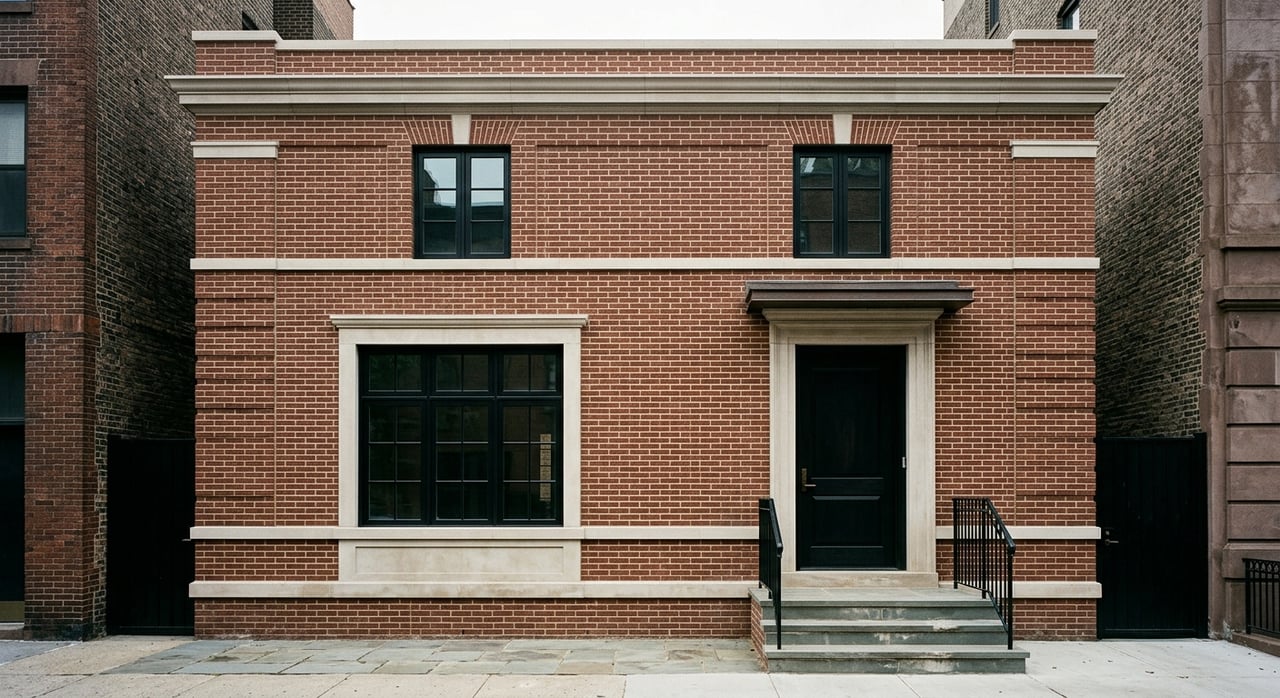
These homes tend to reflect how many buyers want to live today. You will often see open living and dining areas, large windows, modern kitchens, rooftop decks or terraces, garages, and wider, more contemporary layouts. In North Center, that can feel very different from the more compartmentalized floor plans common in older Chicago buildings.
New Construction Pros
If you are drawn to new construction, the appeal usually comes down to predictability and ease.
- More modern layouts
- Fewer near-term repair needs
- Finishes and systems aligned with current expectations
- Less immediate pressure to budget for major upgrades
- Often stronger energy performance from the start
Chicago requires construction and rehab work to follow the 2022 Chicago Energy Transformation Code, which applies to permit applications submitted beginning November 1, 2022. In simple terms, newer homes typically begin closer to current performance standards, which can reduce the need for immediate retrofits.
New Construction Tradeoffs
The main downside is that you are usually paying a premium for that convenience. In a neighborhood where land is valuable and inventory is limited, newer homes often price in not just finishes and square footage, but also the benefit of avoiding near-term renovation projects.
That means your evaluation should go beyond surface appeal. You will want to consider whether the lot, layout, garage, finish level, and overall location truly justify the asking price.
What Vintage Homes Offer
Vintage homes are the norm in North Center, not the exception. CMAP reports that only 9.9% of the neighborhood’s housing was built in 2010 or later, which means most buyers will spend plenty of time evaluating older homes.
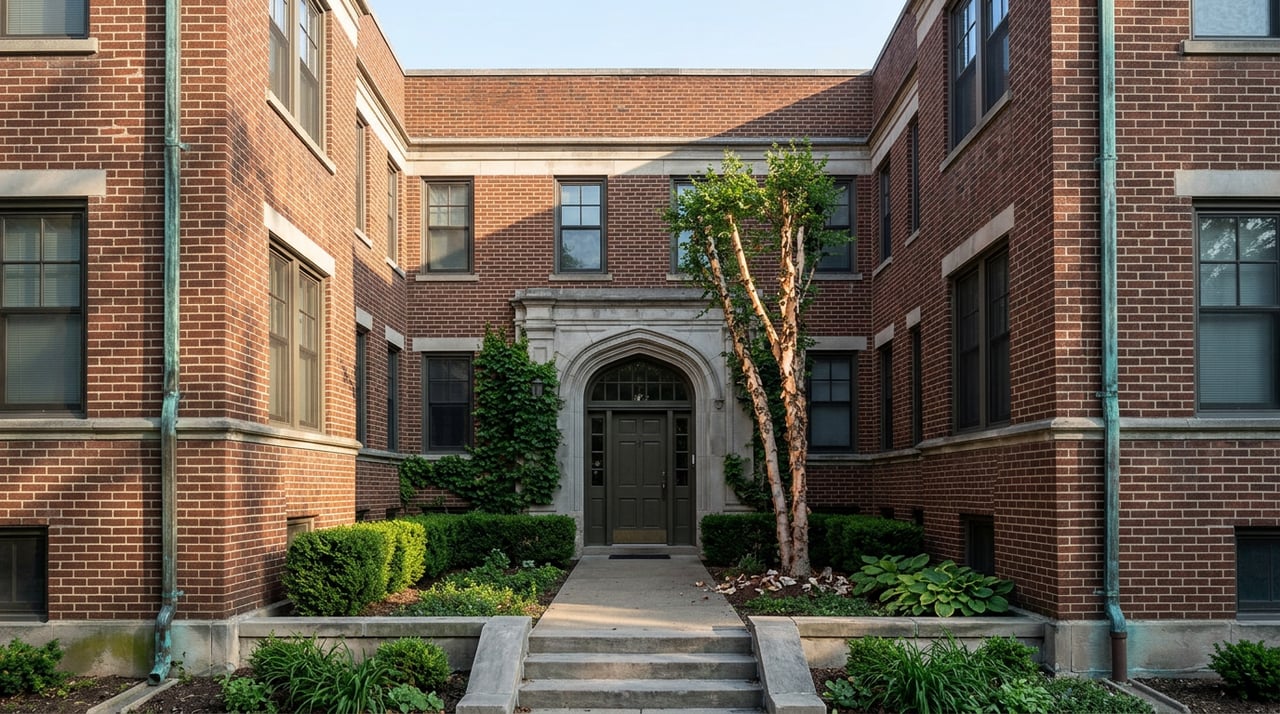
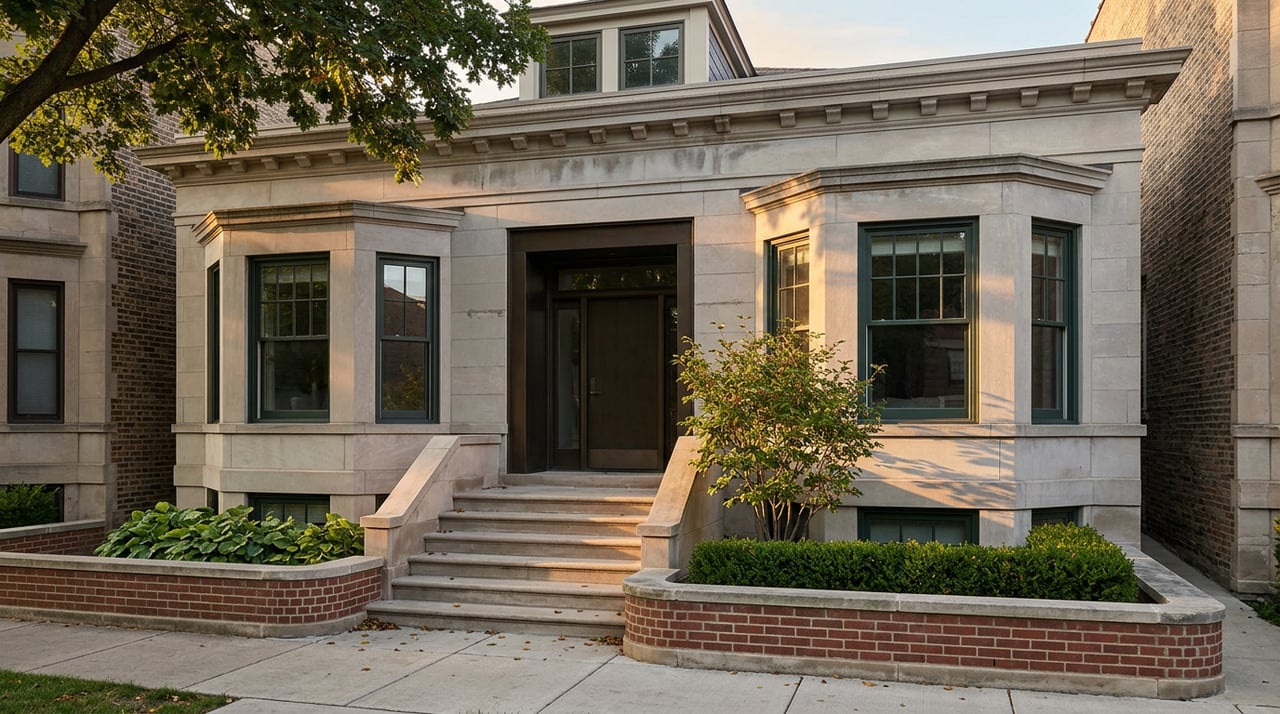
Many of these properties reflect classic Chicago building patterns. The Chicago Architecture Center describes the city’s traditional two-flats and three-flats as brick or greystone buildings with bay windows, usually built between 1900 and 1920. That architectural history still shapes how many North Center homes look and function today.
Vintage homes can also vary more than buyers expect. Some are lightly updated. Some are fully renovated. Some have already been converted from multi-unit buildings into single-family homes. Others still offer future project potential.
Vintage Home Pros
A vintage property can offer advantages that are hard to recreate in a new build.
- Original character and architectural detail
- Larger or more distinct room layouts
- Potentially more flexibility for future projects
- Existing improvements that may add value
- Multi-unit or conversion possibilities in some cases
WTTW highlights the long history of two-flats being converted to single-family homes in North Center. That matters if you want a home with future optionality, especially if you are open to layout changes, finishing unused space, or planning a longer-term value-add strategy.
Vintage Home Tradeoffs
The biggest challenge with older homes is uncertainty. Age alone does not mean a home is a bad choice, but it does mean you need to pay closer attention to systems, materials, and prior renovation quality.
The EPA explains that 87% of homes built before 1940 have some lead-based paint. Because such a large share of North Center housing dates to that period, this is a relevant issue for buyers here. The Department of Energy guidance on older homes also points buyers toward air sealing, insulation, moisture control, and ventilation as common upgrade areas.
In other words, a vintage home may give you more character and more upside, but it can also bring more inspection items, more planning, and a larger post-closing project list.
Is New Construction Always More Expensive?
Not necessarily. That is one of the most important things to understand in North Center.
The research shows current new-construction listings ranging from the mid-$400,000s for smaller condos to well over $2 million for larger single-family homes. At the same time, vintage listings can also top $1 million because they may be larger, more renovated, or sit on more valuable lots.
So instead of assuming “new equals more expensive” or “old equals more affordable,” it is smarter to compare homes by property type, size, location, finish level, and future cost. A lower purchase price on a vintage home may not stay lower if major updates are coming soon.
How Layout and Lifestyle Compare
For many buyers, the floor plan is where the decision becomes real.
New construction often fits buyers who want open sightlines, easy entertaining, and modern daily flow. These homes are typically designed around how people use kitchens, family rooms, outdoor space, and storage today.
Vintage homes often feel more segmented. That can be a downside if you want a wide-open layout, but it can also be a plus if you prefer more separation between rooms or value architectural detail over a fully modern plan.
A simple way to frame it is this: new homes often give you lifestyle convenience on day one, while vintage homes may give you layout character and future customization potential.
What to Inspect Closely
No matter which path you choose, due diligence matters.
For New Construction
Focus on what is behind the finishes as much as what is visible.
- Finish quality
- Scope of work and included features
- Warranty coverage
- Building systems and installation quality
- Whether the layout and lot justify the premium
For Vintage Homes
Start with the items most likely to affect cost, safety, and comfort.
- Lead-paint exposure risk
- Moisture issues
- Insulation and air leakage
- Ventilation
- Signs of deferred maintenance or uneven renovation work
In North Center, these inspection questions are especially important because older housing dominates the neighborhood. A careful review can help you avoid turning a charming home into a budget surprise.
How to Choose the Right Fit
The best choice usually comes down to your tolerance for uncertainty, your timeline, and how involved you want to be after closing.
If you want a home that is closer to current code standards, likely needs fewer immediate repairs, and supports a more turnkey move, new construction may be the better fit. If you value character, larger rooms, flexibility, or long-term value-add potential, a vintage or renovated home may make more sense.
In North Center, the decision is rarely about which category is better overall. It is about which tradeoff works better for your budget, your goals, and your willingness to take on future projects.
When you are comparing older homes and new construction in a neighborhood like North Center, it helps to have both market context and practical property insight. That is where an analytical approach can save you time and reduce risk. If you want help weighing the numbers, renovation tradeoffs, and what makes sense for your move, connect with John Charmelo.
FAQs
What makes North Center homes different from newer suburban housing?
- North Center has a much older housing stock, with 51.3% of homes built before 1940, so buyers here often compare infill new construction with renovated vintage properties instead of choosing between two similarly built modern homes.
Are vintage homes in North Center always cheaper than new construction?
- No. Vintage homes in North Center can be priced above many newer listings because they may offer more space, more land, or extensive renovations.
What should buyers inspect first in a North Center vintage home?
- Buyers should pay close attention to lead-paint risk, moisture control, insulation, air leakage, ventilation, and the overall quality of past updates.
Why do buyers choose new construction in North Center?
- Buyers often choose new construction for modern layouts, fewer near-term repairs, and a home that starts closer to current energy and construction standards.
Is North Center mostly made up of older homes?
- Yes. According to CMAP data, vintage housing is the dominant stock in North Center, and only a small share of homes were built in 2010 or later.