Thinking about buying a vintage home in Lakewood Balmoral? You are not just shopping for square footage or finishes. You are stepping into one of Chicago’s most visually distinctive historic areas, where original porches, masonry, windows, and exterior details are a big part of the appeal. If you want the charm without costly surprises, it helps to know what to look for before you write an offer. Let’s dive in.
Why Lakewood Balmoral Feels Different
Lakewood Balmoral Historic District is a National Register district in Chicago, roughly bounded by Magnolia, Wayne, Foster, and Bryn Mawr. According to the National Park Service district record, the area is known for Queen Anne and Shingle Style architecture.
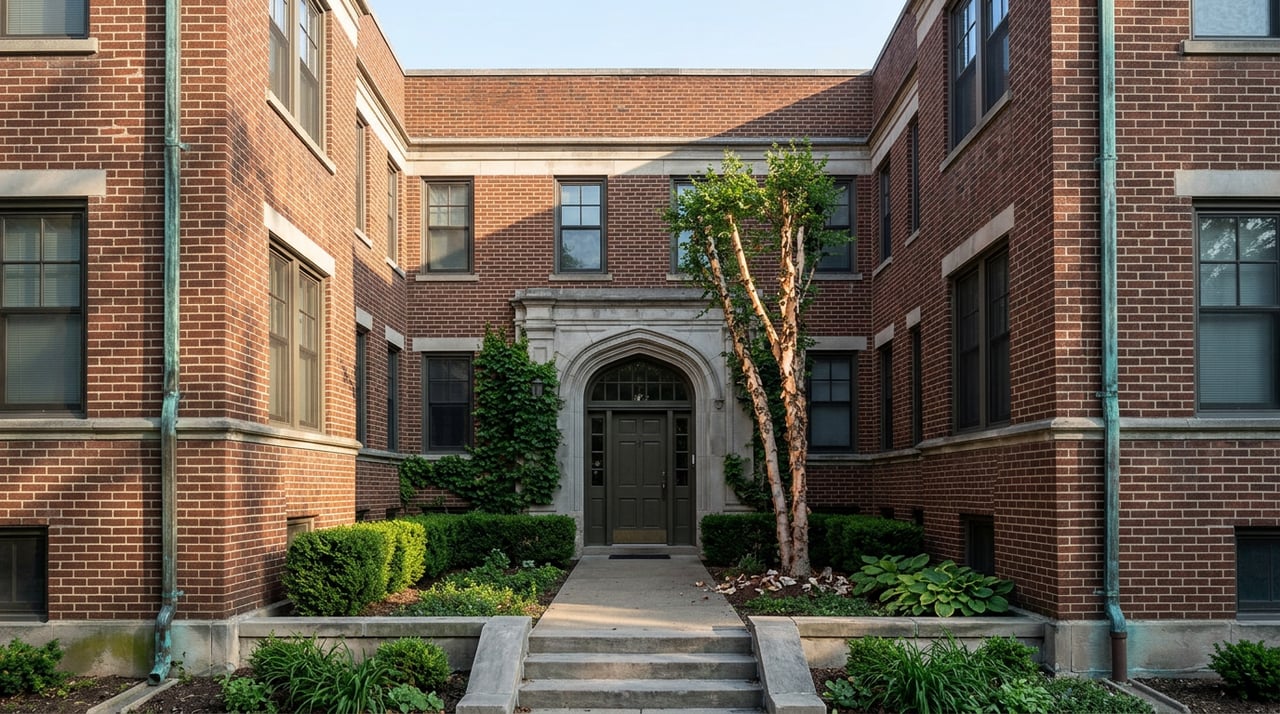
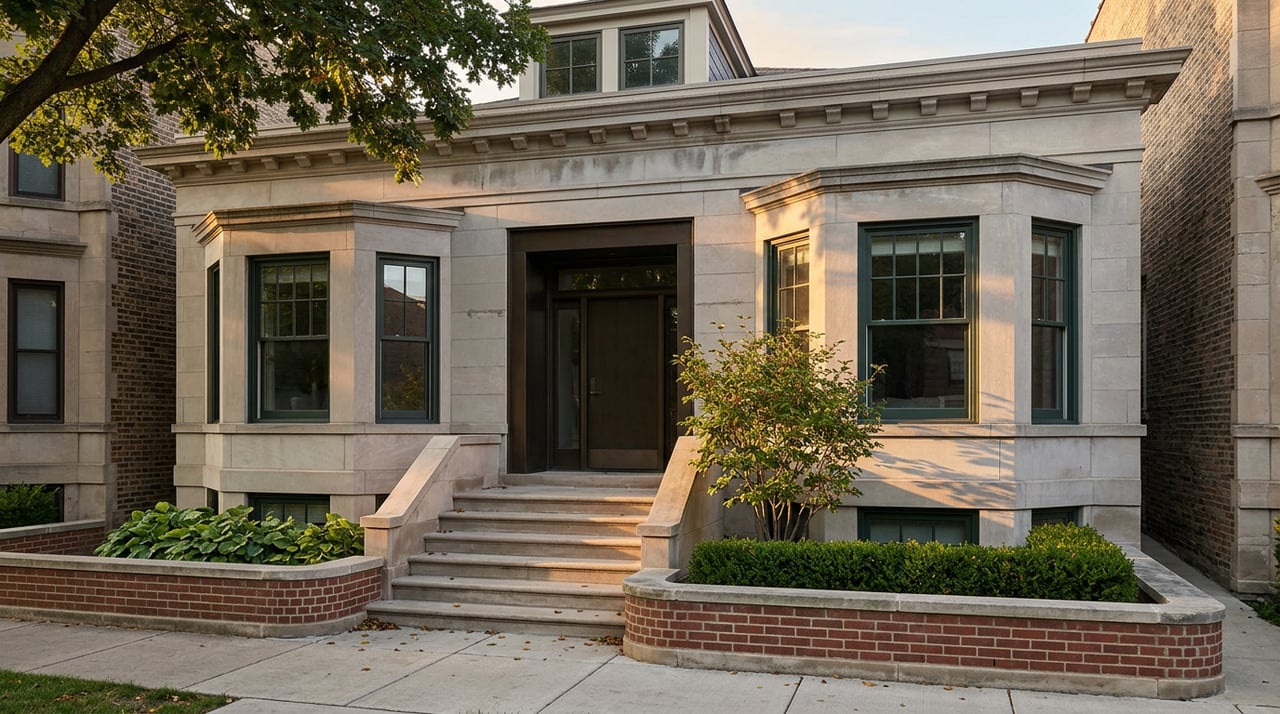
The neighborhood preservation guide adds more context. It describes a largely intact streetscape with more than 400 single-family homes and two-flats built from the 1890s to the 1920s, including American Foursquare, Prairie, and classical brick-and-stone two-flats. That mix gives buyers a rare chance to own a home with real architectural history, not just an older house.
That distinction matters when you tour properties. In Lakewood Balmoral, the appeal often comes from how much original form and exterior detail remains visible from the street.
What Buyers Notice First
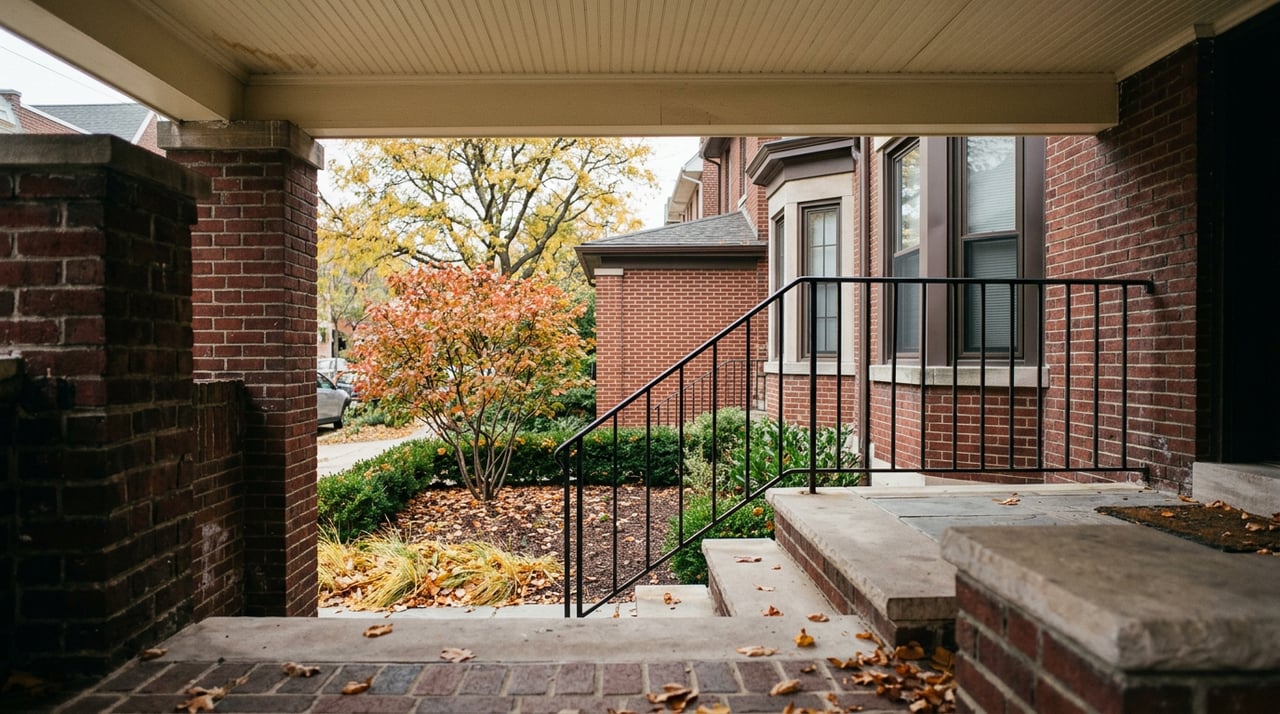
In a vintage Lakewood Balmoral home, the front facade carries the most visual and historic weight. The Lakewood Balmoral preservation guide highlights common features such as open front porches, beadboard porch ceilings, closely spaced railing spindles, classical or Arts and Crafts porch columns, and wood double-hung windows.
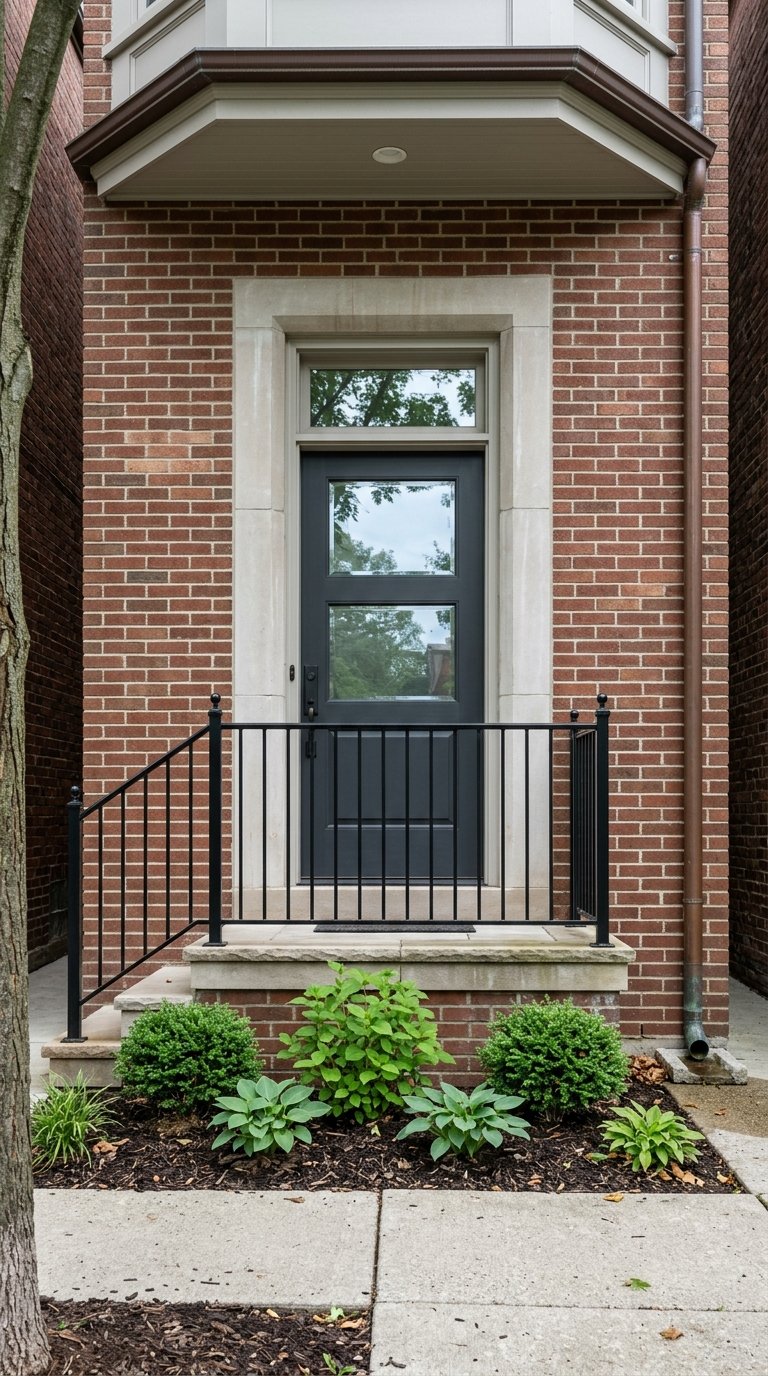
You may also see clapboard or wood-shingle siding, brick, limestone, or stucco exteriors, along with decorative brackets, moldings, lattice, lights, and appliques. These details are part of what makes the neighborhood feel cohesive and memorable.
For you as a buyer, this means not all parts of the house carry equal importance. The National Park Service preservation standards emphasize protecting distinctive materials, features, and craftsmanship, especially where they define the building’s character. In practical terms, that usually means taking extra care with the street-facing facade, porch, windows, and masonry.
Vintage Charm Comes With Maintenance
Buying a vintage home in Chicago often means learning one simple rule fast: water is the enemy. The National Park Service notes that older homes can admit moisture through missing mortar, cracks around windows and doors, and roof issues that let water move into attics and walls.
Chicago’s climate makes this more important. The NOAA and National Weather Service freeze data for Chicago shows an average first 32-degree freeze around October 19 and an average last spring freeze around April 21. That long freeze cycle can stress roofs, gutters, masonry joints, porches, and other exterior materials.
In many vintage homes here, the most common upkeep items include masonry repointing, roof and gutter work, porch wood repair, and window weatherization. These are normal parts of ownership, but they deserve close review during your inspection period.
Water and Masonry Deserve Extra Attention
Historic masonry performs best when moisture can move through it naturally. The National Park Service warns that waterproof coatings on masonry can trap moisture and lead to further damage.
That is why repointing work should be done carefully. The NPS masonry rehabilitation guidance recommends using compatible mortar for historic masonry rather than overly hard mixes that can damage older brick.
When you are evaluating a home, ask not only whether masonry has been repaired, but how it was repaired. A clean-looking wall is not always a sign that the right work was done.
Porches and Windows Matter More Than You Think
Porches do a lot of visual heavy lifting in Lakewood Balmoral. They also take a beating from moisture, temperature swings, and deferred maintenance. Rot, settlement, and mismatched repairs can all affect both appearance and long-term upkeep.
Windows are another big topic. According to the National Park Service window guidance, many historic wood windows can last more than a century with regular maintenance, and repair should usually be the first option considered.
If replacement is necessary, the new windows should fit the original openings and preserve the historic proportions and visual character. For buyers, that means window decisions are not just about efficiency. They also affect the home’s look, value, and future maintenance path.
Basement Moisture Is a Real Chicago Issue
In older city homes, water management does not stop at the roofline. Drainage, grading, sump pumps, and downspout routing all matter, especially if you are concerned about seepage or stormwater pressure.
Chicago’s Resilient Chicago plan encourages downspout disconnection to help reduce basement flooding and sewer pressure. For a buyer, that makes runoff patterns and basement moisture history important inspection topics, not afterthoughts.
If a seller has records for drainage improvements, sump pump updates, or past water events, review them carefully. These details can tell you a lot about how the home performs in real conditions.
How to Update Without Losing Character
The best approach to a vintage home is simple: repair first, replace second. The National Park Service recommends repairing deteriorated historic features whenever possible and matching the old material closely when replacement is unavoidable.
That does not mean your home has to stay frozen in time. The preservation standards allow for careful upgrades to mechanical, electrical, and plumbing systems, along with weatherization that minimizes impact on original design and materials.
There is often more flexibility on less visible sides and rear elevations. The Lakewood Balmoral preservation guide notes that more modern materials may sometimes be appropriate in lower-visibility areas, while the front facade should remain visually faithful to the original intent.
National Register vs Local Landmark Rules
This is one area where buyers often get confused. A home being in a National Register district does not automatically mean a non-federal owner faces federal restrictions on changes. The National Park Service explains that National Register listing does not automatically trigger local landmark zoning.
That said, some properties may also have local landmark status or be subject to local landmark district rules. In those cases, the City may review permits affecting significant historic or architectural features. The City of Chicago also notes that some landmarked properties may qualify for incentives such as reduced property-tax assessments for rehabilitation, technical assistance, or permit fee waivers, but that is always a property-specific issue to verify through the City’s preservation resources.
If you are considering a particular home, this is worth confirming early. It can affect your renovation timeline, costs, and design options.
Smart Questions Before You Buy
A strong inspection strategy can help you protect both your budget and the home’s character. Here are some of the best questions to ask.
Ask About Original Materials
- Which exterior materials are original?
- What has already been replaced on the front facade, porch, masonry, or windows?
- Were replacement materials chosen to match the historic appearance?
Ask About Masonry Repairs
- Has the home been repointed?
- What mortar composition, color, and joint profile were used?
- Was the work done by a contractor familiar with historic brick?
Ask About Porch Condition
- Are porch columns, railings, beadboard ceilings, and wood floors structurally sound?
- Is there any sign of settlement, rot, or incompatible patchwork?
- Have repairs been documented?
Ask About Water History
- Has the home had roof leaks, ice dams, or gutter failures?
- Is there any history of attic or upper-wall water intrusion?
- How does stormwater leave the lot, and has there been basement seepage or sewer backup?
Ask About Systems Upgrades
- When were the electrical, plumbing, and HVAC systems updated?
- How were those systems routed through the house?
- Did the work preserve plaster, trim, and other historic features where possible?
Ask About Contractor Experience
- Has the contractor worked on historic masonry or wood homes before?
- Did they document existing conditions before starting work?
- Can they explain why specific materials and methods were chosen?
Why Guidance Matters in a Vintage Home Purchase
Buying a vintage home in Lakewood Balmoral is part lifestyle decision and part building decision. You want the architectural character, but you also want clarity on maintenance priorities, likely repair paths, and how future updates can be handled without erasing what makes the home special.
That is where a thoughtful, analytical approach can make a real difference. When you understand the house beyond the staging, you can negotiate more confidently, budget more realistically, and make decisions that respect both the property and your long-term plans.
If you are considering a vintage home in Lakewood Balmoral or another North Side neighborhood, John Charmelo can help you evaluate the opportunity with a practical eye for condition, renovation trade-offs, and neighborhood value.
FAQs
What makes a vintage home in Lakewood Balmoral different from other older Chicago homes?
- Lakewood Balmoral is a historic district with a largely intact streetscape of homes built from the 1890s to the 1920s, so original exterior details and architectural character are a major part of the appeal.
What should buyers inspect first in a Lakewood Balmoral vintage home?
- Pay close attention to the front facade, porch, masonry, windows, roof drainage, and basement moisture, since these areas often affect both historic character and repair costs.
Can you replace windows in a historic Lakewood Balmoral home?
- In many cases, historic windows can be repaired and weatherized, and if replacement is necessary, the new windows should match the original openings, proportions, and visual character as closely as possible.
Does National Register status restrict changes to a Lakewood Balmoral home?
- National Register status alone does not automatically place federal restrictions on a non-federal owner, but local landmark rules may apply to specific properties and should be verified early.
What maintenance issues are common in vintage Lakewood Balmoral homes?
- Common issues include masonry repointing, roof and gutter work, porch wood repair, window weatherization, and managing drainage to reduce moisture problems.
How can buyers update a vintage Lakewood Balmoral home without losing character?
- A good rule is to repair original features first, replace only when necessary, and keep the front facade visually consistent with the home’s historic design while using more flexibility in less visible areas when appropriate.