If you love Lincoln Square but your current home no longer fits the way you live, you are not alone. Many owners here want more space, a different layout, or a better long-term setup without leaving the neighborhood they already know. The challenge is not just finding the right next home. It is lining up timing, financing, and your current sale so the whole move works smoothly. Let’s dive in.
Why Lincoln Square Works for Move-Up Buyers
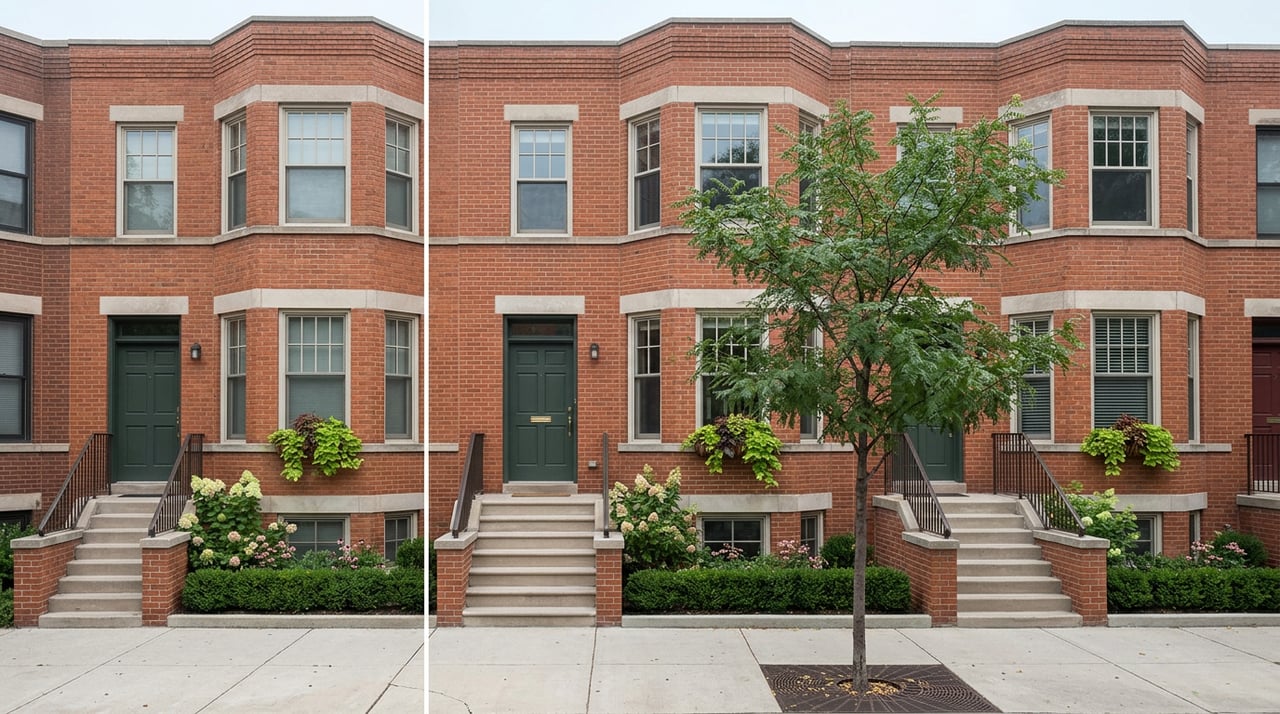
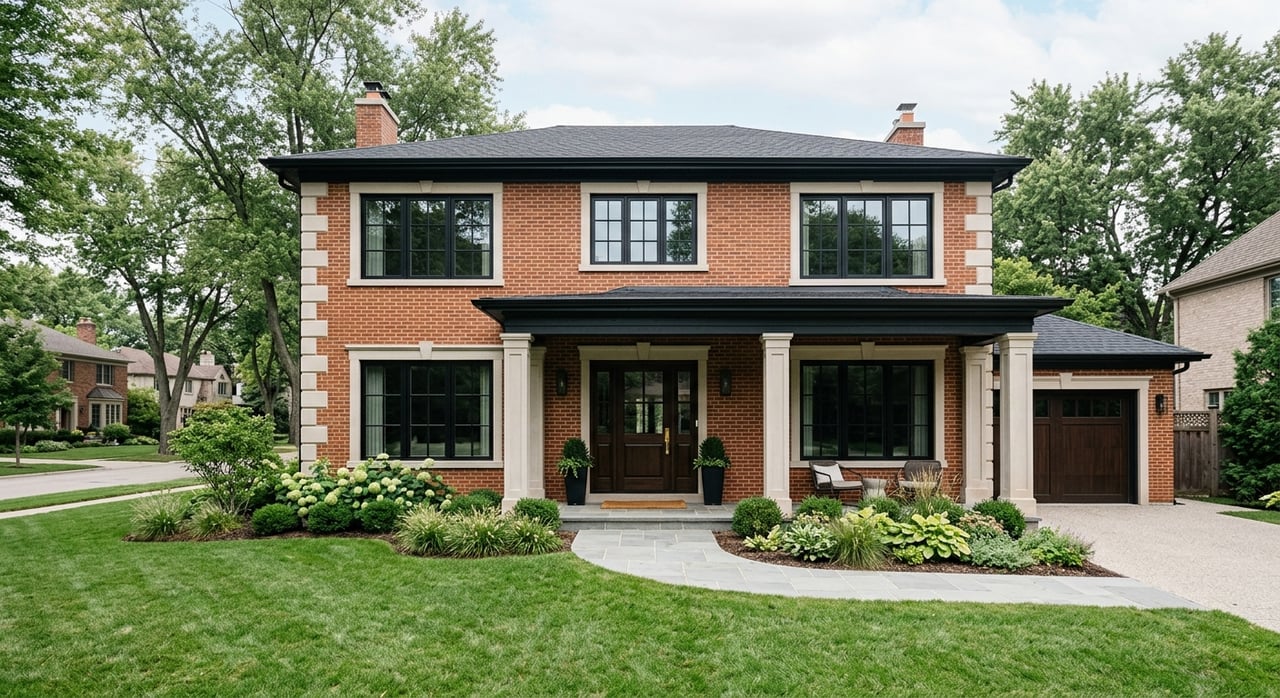
Lincoln Square gives you a wide range of housing options within one North Side neighborhood. The area includes condos, townhouses, newer single-family homes, older Victorian and prairie-style homes, and a large number of two- and three-flats.
That mix matters when you are planning a move-up purchase. You may be able to stay close to the parks, transit access, and retail core you already enjoy while moving into a home that better matches your next chapter.
The neighborhood also continues to attract a broad group of buyers, including young couples, families, empty nesters, and singles. In practical terms, that helps support resale activity across different property types, which is important when you need to sell one home and buy another in the same market.
What the Lincoln Square Market Means for You
Recent market snapshots point to an active environment, even though the numbers vary by source. Redfin reported a median sale price of $488,000 and 42 median days on market in March 2026, while Realtor.com showed a $589,000 median listing price, a 104% sale-to-list ratio, and 25 median days on market.
At the broader Chicago level, inventory has also been tight. Illinois REALTORS reported 2,981 homes for sale in Chicago in March 2026, down 28.8% year over year, and the Chicago Association of REALTORS reported 2.3 months of supply in June 2025.
What does that mean for your move-up plan? Well-priced homes can still move quickly, so you need a strategy for both timing and liquidity. If your equity from your current home is part of the plan for your next purchase, you do not want to leave that sequence to chance.
Choose Your Sequence Early
One of the biggest move-up decisions is simple to describe but important to get right: do you sell first, buy first, or use a bridge solution in between?
The most conservative path is usually to sell your current home before buying the next one. That approach lowers the risk of carrying two homes at the same time, which can help you protect your cash flow and reduce stress.
The tradeoff is timing. If your current home closes before your next purchase is ready, you may need temporary housing or a short-term plan for storage and moving.
Option 1: Sell First
Selling first is often the safer financial route. You know how much equity you have available, you can approach your next purchase with a clearer budget, and you reduce the risk of overlapping mortgage payments.
In a neighborhood like Lincoln Square, that clarity can be valuable. If homes are moving quickly and inventory remains limited, you want to be realistic about how fast your next opportunity may appear after your sale closes.
Option 2: Buy First
Buying first can make sense if you want to secure the right home before giving up your current one. This path can be appealing if you are searching for a specific layout, a certain type of building, or a limited housing category in Lincoln Square.
The downside is that buy-first usually requires more cash, more lender coordination, or a temporary financing solution. It can also increase pressure if your current home takes longer to sell than expected.
Option 3: Use Bridge Financing
Bridge financing is a short-term tool that can help fund your next purchase before your current home sells. In plain language, it can help you access your equity sooner so you can make a stronger offer without relying entirely on a home-sale contingency.
That can be useful in a competitive market. But it also adds risk, because you may face overlap in mortgage payments, extra fees, and more urgency to sell your current home quickly.
For many households, bridge financing is best viewed as a coordination tool, not the default starting point. If you have strong equity and cash reserves, it may help. If not, selling first is often the more stable plan.
Time Your Preapproval Carefully
Preapproval is important, but timing matters. Sellers often want to see a preapproval letter with your offer, and those letters commonly expire in 30 to 60 days.
That means you should not start too early if your move-up timeline is still far off. A better approach is to talk with your lender close to the point when your current home is realistically being prepared for market and your home search is about to become active.
This is one of the easiest ways to avoid duplicated effort. A fresh preapproval helps keep your financing current while making your offer package look stronger when the right Lincoln Square home appears.
Build a Real Cash Plan
Many move-up buyers focus on the down payment and forget the rest of the balance sheet. That can create unnecessary pressure later.
Closing costs typically run about 2% to 5% of the purchase price. On top of that, you may also need funds for moving, storage, small repairs before listing, and a possible temporary housing gap.
A strong move-up plan should account for:
- Down payment needs
- Purchase closing costs
- Sale-related costs
- Moving and storage expenses
- Cash reserves for overlap or delays
This is where a data-driven approach really helps. Before you shop seriously, you want to know what must stay liquid and what can safely be committed to the next purchase.
Protect Yourself With Smart Contingencies
When you write an offer on your next home, contingencies matter. Consumer guidance recommends making purchase offers contingent on financing and a satisfactory inspection so you are not forced to close if the loan falls through or serious property issues come up.
For move-up buyers, the real question is which protections matter most in your situation. You may need to prioritize financing protection, inspection protection, or the logistics tied to the sale of your current home.
In a tighter market, sellers may prefer cleaner offers. Still, waiving key protections without a very clear reason can raise your risk in a transaction that is already more complex than a first-time purchase.
Use Chicago Seasonality to Your Advantage
If you have flexibility, your listing timing can help your overall move-up strategy. Chicago research points to spring as the key selling window, with especially strong timing from late April through late May.
Zillow’s 2025 analysis identified the last two weeks of May as Chicago’s best listing period, with an estimated 2.8% premium. Redfin’s 2026 analysis also supported late spring, while showing that new listings in the Chicago metro tend to peak in mid-May and fresh inventory peaks in early June.
For Lincoln Square sellers, this creates a useful planning window. If your goal is to maximize buyer attention and improve your odds of a smooth sale, spring is often the season to prepare for in advance.
Best Week and Best Day to Launch
There is no perfect universal date, but the research offers a practical pattern. Mid-to-late spring appears to be the strongest seasonal window, and midweek appears to be the smartest launch timing.
Redfin found Wednesday is best for price and Thursday is best for speed. It also noted that homes get much more online attention on the day they first hit the market than they do a week later.
That supports a launch plan built around:
- Strong listing photos
- Clear pricing strategy
- Midweek market debut
- Weekend showing availability
A Practical Move-Up Timeline
The easiest way to reduce stress is to make major decisions before the market forces them on you. That means planning your financing, sale prep, and home search as one coordinated project.
Here is a simple framework to follow.
Step 1: Review Your Equity and Budget
Start by estimating your current home’s likely sale range and how much equity may be available after costs. Then compare that figure to the price range for the type of Lincoln Square home you want next.
This gives you a workable budget before emotions enter the picture. It also helps you decide whether a sell-first, buy-first, or bridge approach is realistic.
Step 2: Prepare for Market
If selling first is your likely path, get your current home ready before starting a broad search. That includes repairs, staging decisions, photography, and pricing strategy.
A clean launch matters more in an active market. The first days on market often get the most attention, so preparation before listing is worth it.
Step 3: Refresh Financing
Talk to your lender when your sale and purchase windows are getting close. Since preapproval letters often expire in 30 to 60 days, this step should line up with your serious shopping period.
That way, when you find the right home, your paperwork is current and your offer is easier to present with confidence.
Step 4: Define Your Offer Strategy
Before you tour too many homes, decide how aggressive or conservative you want to be. Think through which contingencies you want, how much cash you need to reserve, and whether temporary housing is part of your backup plan.
That preparation helps you act faster without making rushed decisions.
Why Coordination Matters More in a Move-Up Sale
A move-up transaction is really two transactions connected by timing, money, and negotiation. That is why the process benefits from a coordinated plan instead of treating the sale and purchase as separate events.
In Lincoln Square, where inventory can feel tight and attractive homes may move quickly, small timing mistakes can become expensive. The right strategy can help you protect equity, reduce downtime, and compete more effectively when the right property comes up.
If you are planning a move-up purchase in Lincoln Square, the goal is not just to buy a bigger or better home. It is to move from one chapter to the next with a plan that fits your budget, your timing, and the realities of the local market. If you want help building that plan, reach out to John Charmelo for a local market review and a practical strategy tailored to your next move.
FAQs
What is a move-up purchase in Lincoln Square?
- A move-up purchase in Lincoln Square usually means selling your current home and buying a larger, more functional, or longer-term home within the same neighborhood or nearby area.
Should you sell before buying in Lincoln Square?
- Selling before buying is often the lower-risk option because it reduces the chance of carrying two homes at once and gives you a clearer picture of your available equity.
How long do mortgage preapproval letters last for a Lincoln Square home search?
- Preapproval letters often expire in 30 to 60 days, so it is usually best to time your lender conversation close to when you are ready to shop seriously.
Is bridge financing useful for a move-up home purchase in Lincoln Square?
- Bridge financing can help you buy before selling, but it can also add fees, overlapping payments, and pressure to sell quickly, so it works best for buyers with enough equity and cash reserves.
When is the best time to list a home in Chicago if you are moving up in Lincoln Square?
- Research points to late April through late May as a strong listing window for Chicago, with midweek launches often helping with pricing, speed, and early buyer attention.
What costs should you plan for in a Lincoln Square move-up purchase?
- You should plan for more than the down payment, including closing costs, moving expenses, storage, sale-related costs, and cash reserves in case your sale and purchase timing do not line up perfectly.