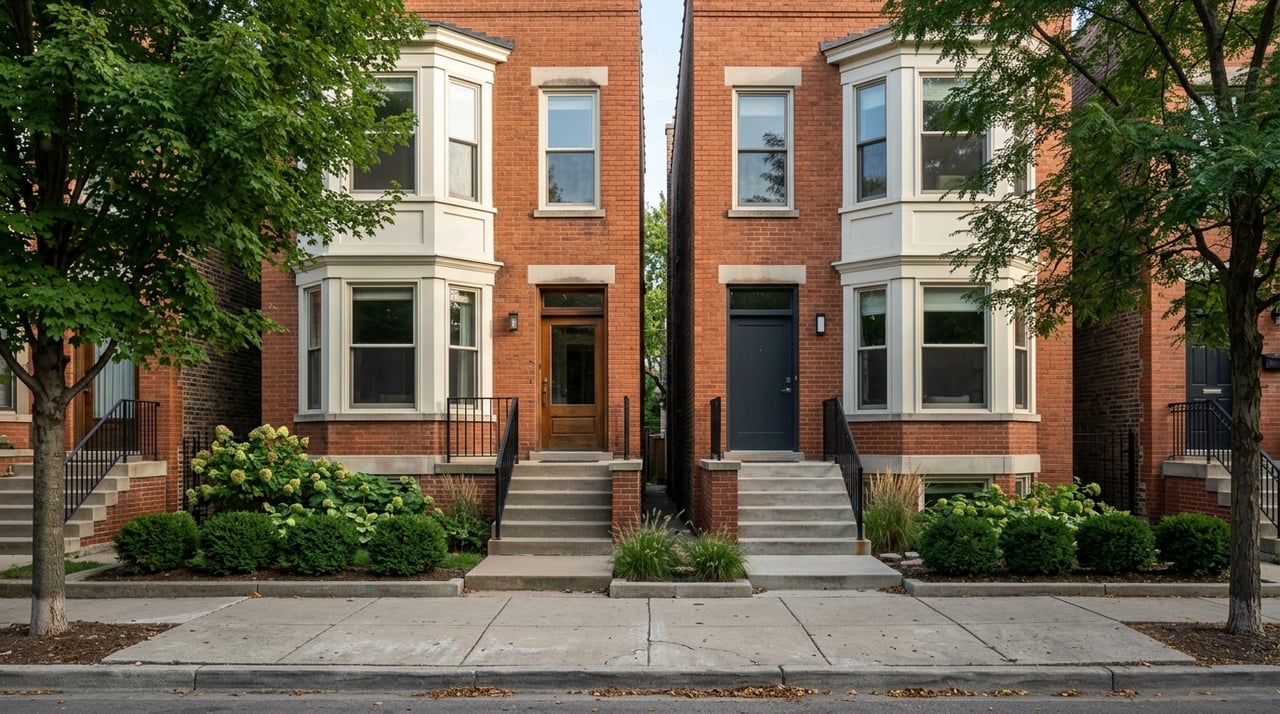
If you are drawn to Logan Square for its mix of history, green space, and city energy, the boulevards are likely what you picture first. These wide, tree-lined streets give the neighborhood much of its visual identity, but living near them can feel different from living on a nearby side street. If you are thinking about buying or selling in Logan Square, it helps to understand what makes this corridor so distinct. Let’s dive in.
Why the boulevards define Logan Square
The Logan Square Boulevards District is one of the neighborhood’s most recognizable historic features. Chicago designated it as a landmark district in 2005, and the district centers on Logan and Palmer Squares while extending along Logan, Kedzie, Palmer, and Humboldt Boulevards.
Most of the core buildings in this corridor date from roughly 1880 to 1930. The city treats the district as one of the strongest examples of Chicago’s park-boulevard system, which helps explain why these streets feel more like a historic corridor than a typical run of residential blocks.
That historic framework still shapes daily life today. The landscaped medians, mature trees, and broad streets create a sense of openness that stands out in a dense city neighborhood.
What the streetscape feels like
Along the boulevards, the experience is often more formal and visually consistent. Historic homes, boulevard plantings, and long sightlines give these blocks a strong sense of structure and presence.
Nearby side streets usually feel more tucked in and more varied in housing form. That is not a judgment about better or worse. It is simply a useful way to think about the difference between Logan Square’s historic frontage and its more residential interior.
For many buyers, that distinction matters. Some people want the visual prominence and neighborhood activity that come with a boulevard address, while others prefer a quieter block with a more low-key feel.
Housing along the boulevard corridor
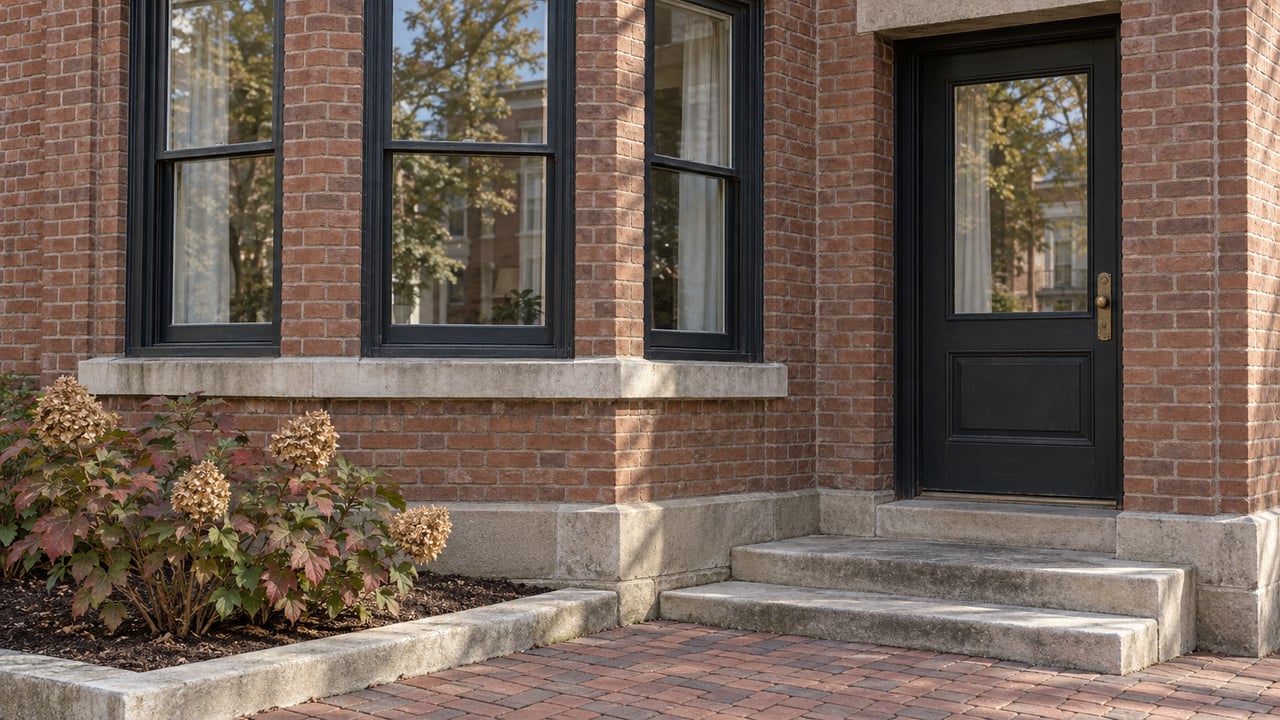
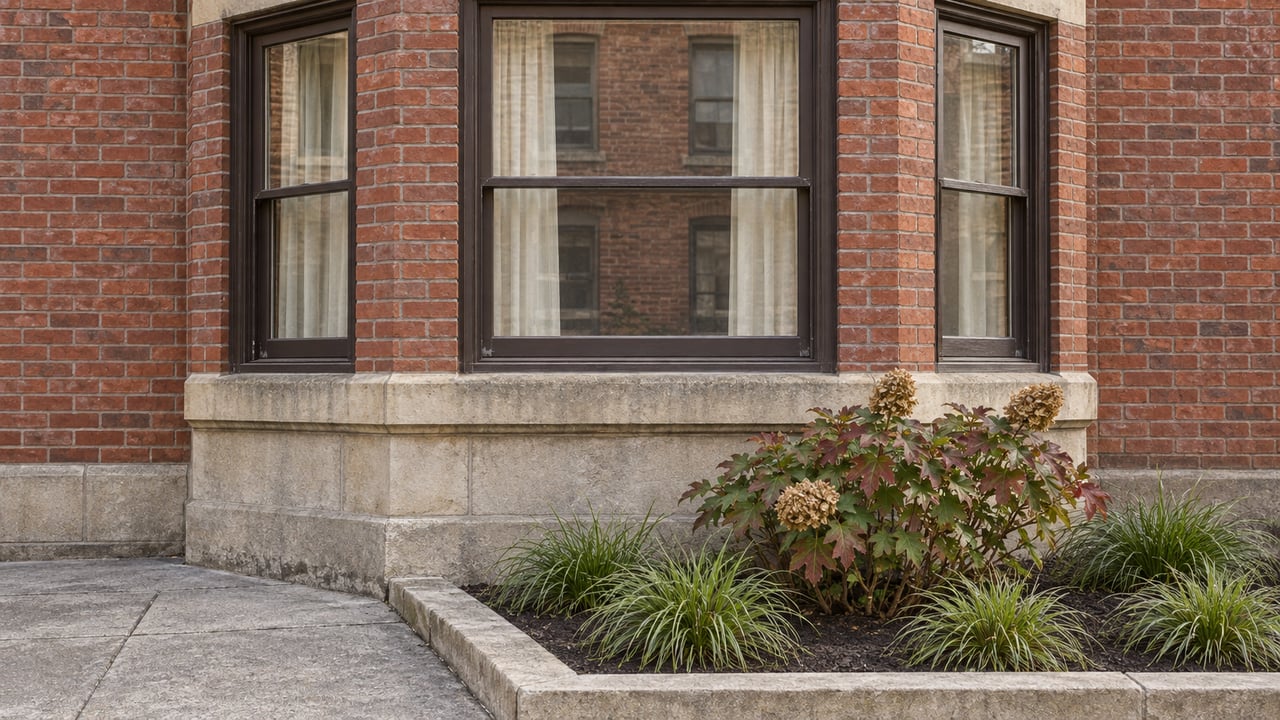
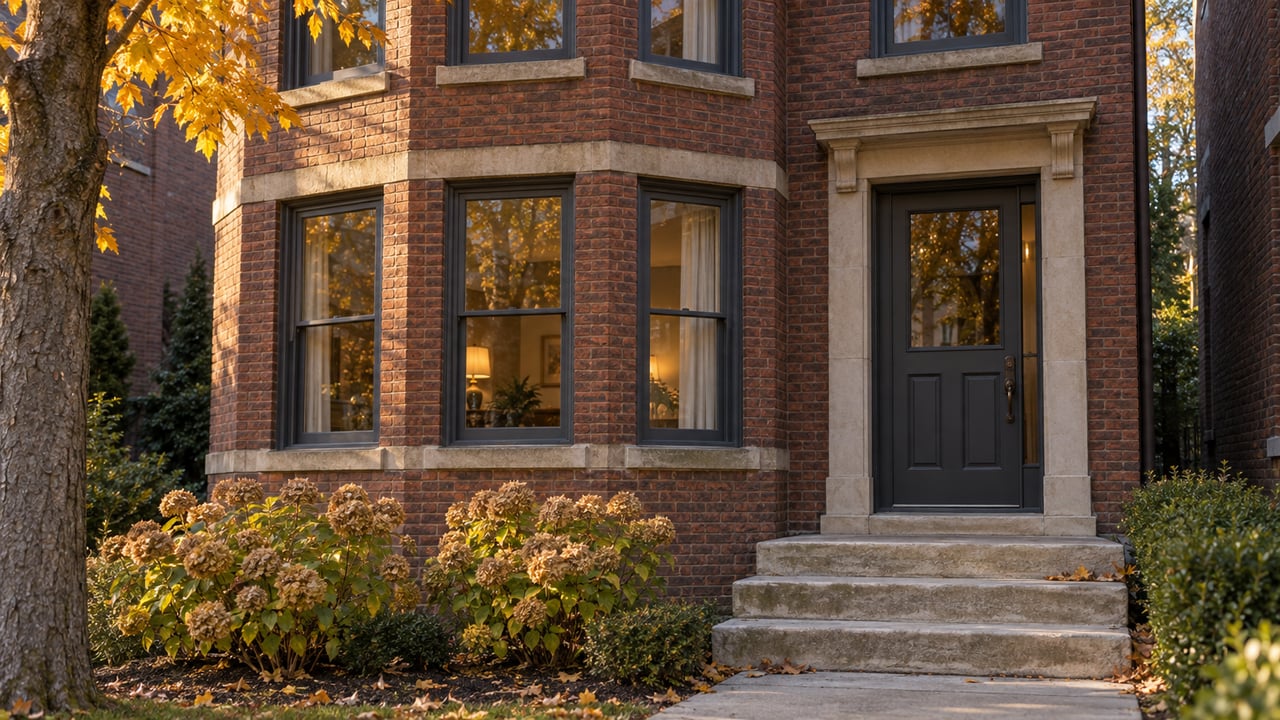
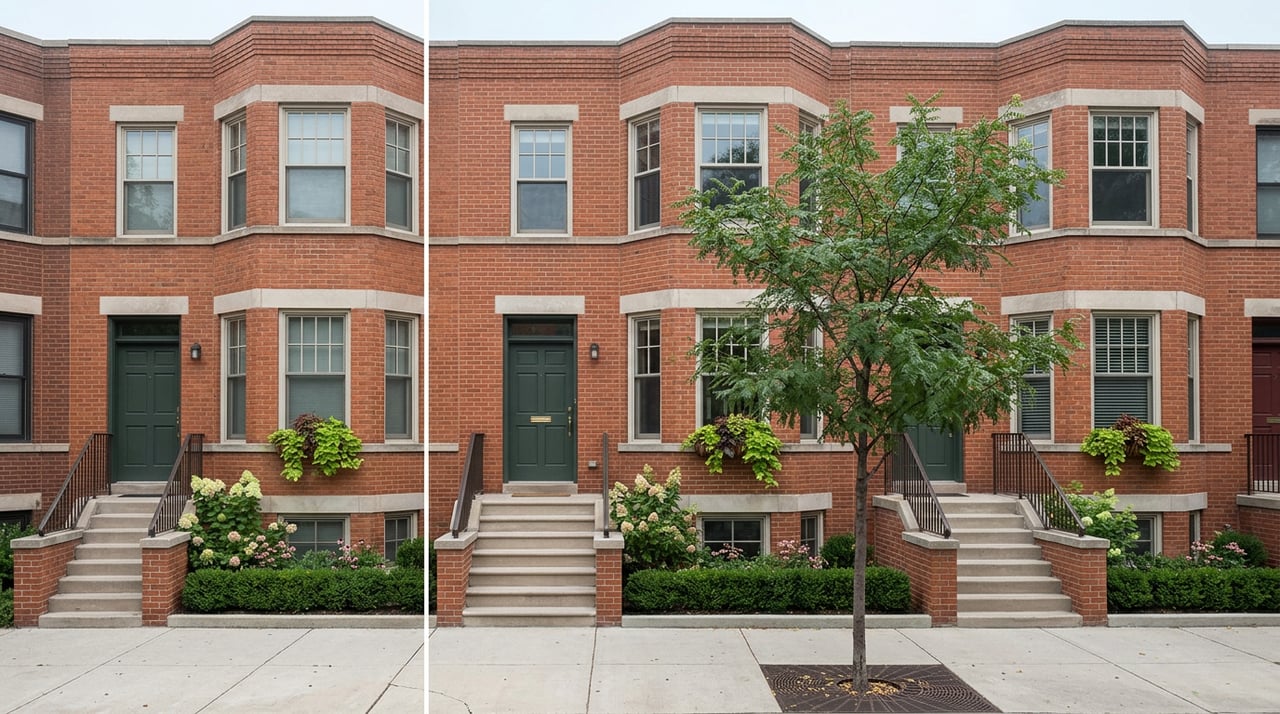
The housing stock along the boulevards is one of the area’s biggest draws. Neighborhood history points to graystones, limestone homes, substantial single-family houses, and other early-20th-century architecture as defining features of the corridor.
Logan, Kedzie, and Humboldt Boulevards are especially associated with graystone two-flats, three-flats, and larger single-family homes. These properties often deliver the kind of architectural texture that makes buyers stop and take a second look.
That said, the broader neighborhood includes many rental flats and apartments as well. If you are house hunting here, the mix of property types means you can often compare very different living experiences within a relatively short distance.
Boulevard homes versus side-street homes
A boulevard address may appeal to you if you value historic frontage, stronger curb presence, and a setting that feels connected to the neighborhood’s main visual corridor. These homes often sit in blocks that feel more exposed to everyday neighborhood activity.
A side-street home may suit you better if you want a block that feels more tucked away. The housing can be more mixed in style and scale, which creates a different rhythm from the more uniform feel of the boulevard edges.
Green space is part of daily life
One of the biggest advantages of life along the Logan Square boulevards is how naturally green space fits into everyday routines. You are not just near a park. You are living within a connected historic landscape built around squares, boulevards, and walking routes.
Logan Square’s namesake park sits at Milwaukee, Kedzie, Wrightwood, and Logan Boulevard. It is anchored by the Illinois Centennial Monument, which gives the square a strong civic presence and serves as a familiar neighborhood landmark.
Nearby Palmer Square Park adds another layer to outdoor life. The Chicago Park District lists it at 7.69 acres, and in 2025 it received ArbNet Level I accreditation, reflecting more than 28 tree varieties and a historic elm grove.
The park is described as a place for reading, picnicking, and walking along the boulevard system toward Logan Square or Humboldt Park. For residents, that means the boulevards are not just scenic. They are useful, livable spaces that support a walkable routine.
The farmers market and community rhythm
The Logan Square Farmers Market adds a weekly pulse to the boulevard core. Its 2026 outdoor season runs on Sundays from 8:30 a.m. to 3 p.m., beginning May 10 at 2620 N. Milwaukee Ave.
That kind of regular event can shape how a neighborhood feels week to week. It gives residents a reliable reason to walk the square, spend time outdoors, and stay connected to the area’s central gathering spaces.
Comfort Station also contributes to that community rhythm. The historic venue sits across from the monument and hosts free concerts, movie screenings, and other programming.
Food, culture, and everyday convenience
Life along the boulevards is not only about architecture and green space. The corridor also puts you close to the neighborhood businesses and cultural spots that make Logan Square feel active and current.
Choose Chicago describes Logan Square as a neighborhood with arts organizations, intimate music venues, locally owned shops, and cocktail bars. Well-known local anchors include Lula Cafe, Longman & Eagle, Table, Donkey and Stick, The Whistler, the Logan Theatre, and Comfort Station.
The Logan Theatre is a great example of how old and new overlap here. It opened in 1915, and its vintage presence fits naturally with the historic character of the surrounding boulevard district.
For buyers, this mix can be a major part of the appeal. You get a neighborhood that feels rooted in Chicago history while still offering the kind of walkable lifestyle many people want today.
Getting around without depending on a car
Transit is another practical advantage of this area. The CTA says the Logan Square Blue Line station is at 2620 N. Milwaukee Ave., is accessible, connects to bus routes #56 and #76, and sits on the Blue Line’s 24-hour service between O’Hare and Forest Park.
That makes the boulevard area relatively easy to navigate for commuting, errands, or meeting friends in other parts of the city. If you are comparing Logan Square to less transit-connected areas, this can be an important factor in your day-to-day decision.
The outdoor network extends beyond the squares as well. The 606 is a 2.7-mile trail and park system with 12 access points and daily hours from 6 a.m. to 11 p.m., and the Park District notes that you can reach it by taking the Blue Line to Logan Square and walking about one mile south on Kedzie.
What buyers should consider
If you are shopping in Logan Square, the boulevard area offers a specific type of neighborhood experience. You may be drawn to the historic architecture, stronger streetscape identity, and easy access to parks, transit, and neighborhood destinations.
At the same time, it helps to think clearly about how you want to live day to day. A more prominent boulevard block may feel energizing and connected, while a nearby side street may feel more private and residential.
That is where local guidance matters. In a neighborhood with meaningful block-by-block variation, it helps to compare not just price and size, but also streetscape, access, property type, and long-term fit.
What sellers should understand
If you own property along the boulevards, your location is part of your home’s story. Buyers often respond to the corridor’s landmark status, mature streetscape, and distinctive housing character.
That does not mean every boulevard property should be marketed in the same way. A graystone two-flat, a substantial single-family home, and a condo in the broader corridor may each appeal to different buyer priorities.
Strong positioning starts with knowing what buyers are really comparing. In Logan Square, that usually includes not only condition and layout, but also whether a home sits on the historic frontage or on a quieter interior block.
If you want a clear read on how the boulevard location fits into today’s Logan Square market, John Charmelo can help you evaluate the tradeoffs, pricing context, and opportunities with a local, data-driven approach.
FAQs
What is the Logan Square Boulevards District in Chicago?
- The Logan Square Boulevards District is a Chicago Landmark district designated in 2005, centered on Logan and Palmer Squares and extending along Logan, Kedzie, Palmer, and Humboldt Boulevards.
What types of homes are common along Logan Square boulevards?
- The boulevard corridor is known for graystones, limestone homes, substantial single-family houses, and other early-20th-century architecture, along with some two-flats and three-flats.
How do Logan Square boulevard blocks compare with side streets?
- Boulevard blocks generally feel more visually prominent and connected to neighborhood activity, while side streets tend to feel more tucked in and more mixed in housing form.
What parks are near the Logan Square boulevards?
- Logan Square’s namesake park and Palmer Square Park are key nearby green spaces, with Palmer Square Park offering 7.69 acres, a historic elm grove, and more than 28 tree varieties.
Is Logan Square easy to navigate by public transit?
- Yes. The CTA’s Logan Square Blue Line station is accessible, connects to bus routes #56 and #76, and is part of the Blue Line’s 24-hour service between O’Hare and Forest Park.
What local amenities are near the Logan Square boulevard corridor?
- Nearby amenities include the Logan Square Farmers Market, Comfort Station, the Logan Theatre, locally owned shops, arts venues, and a range of dining and nightlife destinations.