If you are comparing a turnkey building to a value-add deal in Ravenswood, the wrong choice can cost you time, cash flow, and flexibility. In a neighborhood where listings move quickly and renter demand appears steady, the better play is not always the one with the bigger upside on paper. You need a clear way to weigh income today against renovation risk tomorrow. Let’s dive in.
Why Ravenswood changes the math
Ravenswood has a long-established housing stock that includes small houses, two-flats, and apartment buildings, along with walkable retail, parks, libraries, and other everyday amenities. That mix matters because it supports steady resident demand and can help with future resale liquidity.
Transit is also a major part of the neighborhood’s appeal. Ravenswood is served by nearby CTA Brown Line stations and the Metra Union Pacific North line at Ravenswood, where a station rebuild added longer covered platforms, new lighting, ramps and stairs, landscaping, and full ADA compliance in 2023. For investors, that kind of access can support both leasing and exit strategy.
What the current market says
The most useful takeaway from current Ravenswood sales data is not one exact median price. It is that inventory appears constrained and homes tend to move relatively quickly. Recent reporting shows median sale and list prices near the mid-$500,000s, with short days on market depending on the source.
The rental side also points to active demand. RentCafe estimates average Ravenswood rent at $2,111, with one-bedrooms at $2,009 and two-bedrooms at $2,814, while Realtor.com shows a median rent around $1.9K and a sizable number of available rentals. These figures use different methods, so they are best treated as directional benchmarks rather than exact pricing for a specific two-flat or four-unit property.
Broader multifamily conditions in Chicago and Cook County remain fairly supportive. Cushman & Wakefield reported 95.0% occupancy in Chicago multifamily at the end of 2025, while HUD showed a 5.0% apartment vacancy rate in Cook County in late 2024 and noted rental construction remained below older averages. In simple terms, stabilized rentals still benefit from a fairly tight market.
Turnkey deals: when they make sense
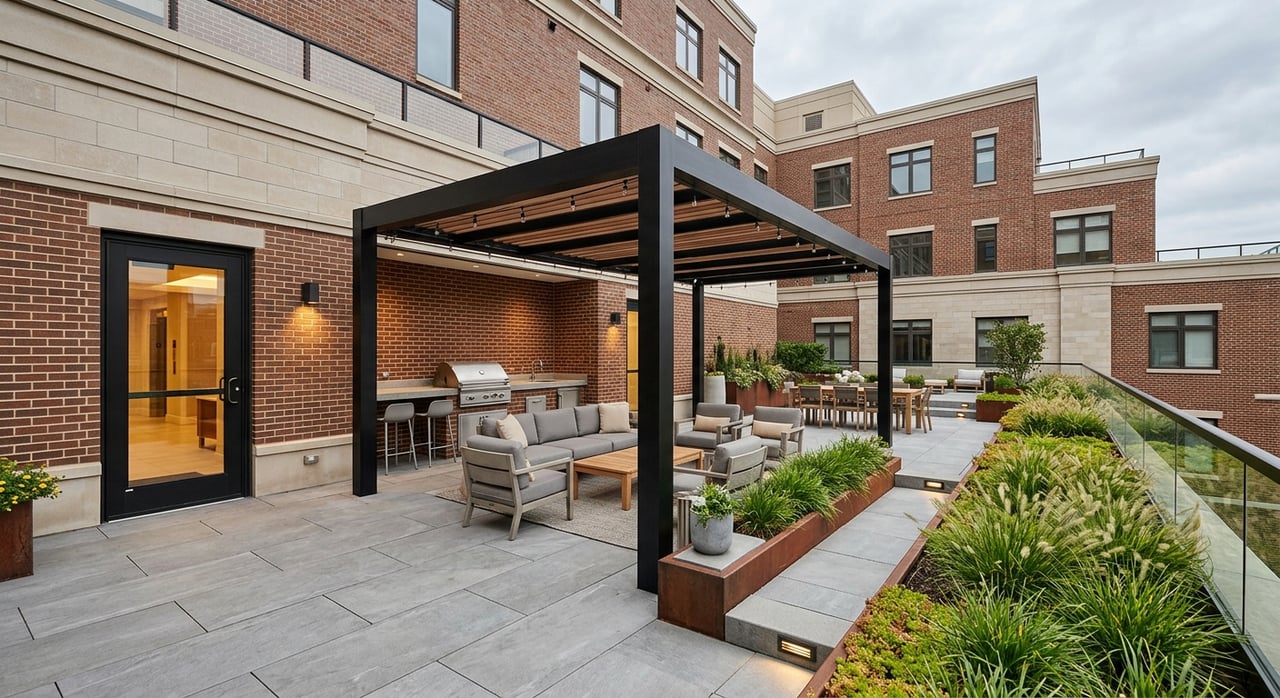
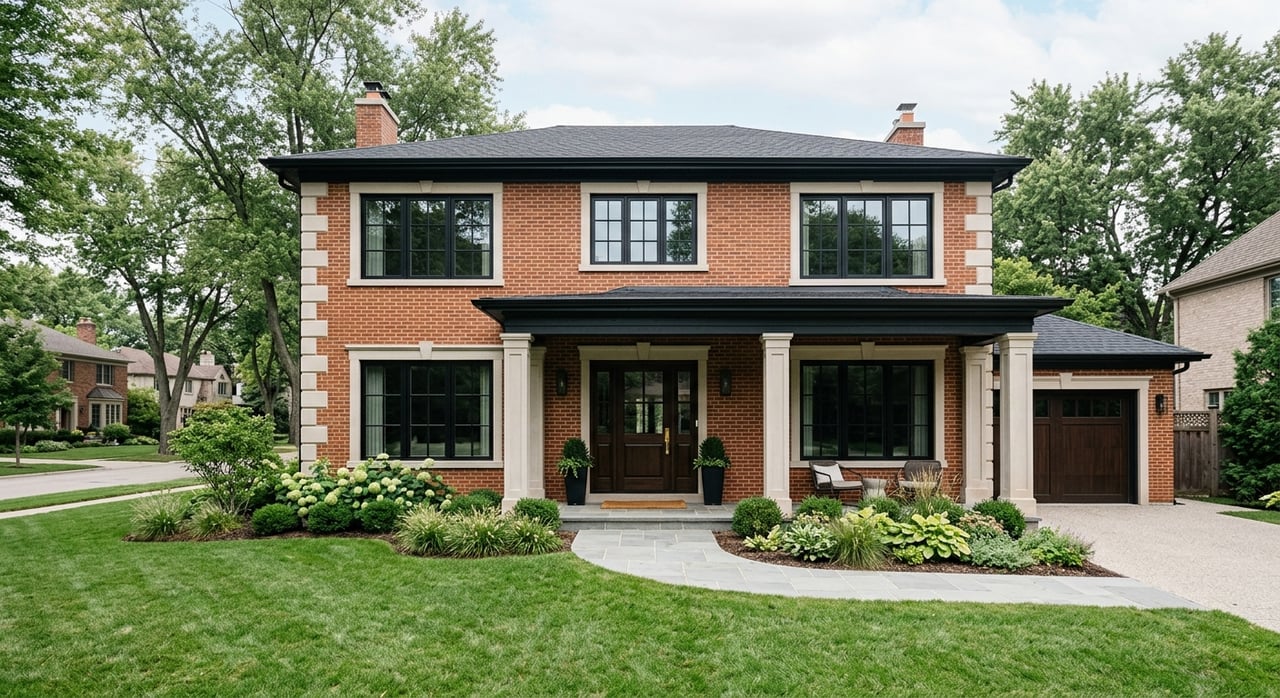
A turnkey multi-unit deal usually fits best when the property is already close to market rent, the unit mix is easy to lease, and major near-term capital work is limited. If your goal is immediate cash flow with fewer moving parts, turnkey can be the more disciplined choice.
This matters even more in Ravenswood because the neighborhood already shows signs of healthy rental demand and relatively quick market activity. In that setting, a lower-risk building can be attractive even if the cap rate looks less exciting at first glance.
You are not just buying current income. You are often buying time certainty, fewer construction surprises, and a cleaner resale story.
Signs a turnkey deal may fit you
- In-place rents are already close to neighborhood benchmarks
- Building systems appear recent enough to avoid major near-term capex
- You want lower execution risk
- You prefer immediate or near-immediate income stability
- Your exit plan depends more on stable income than a major repositioning
Value-add deals: when they can outperform
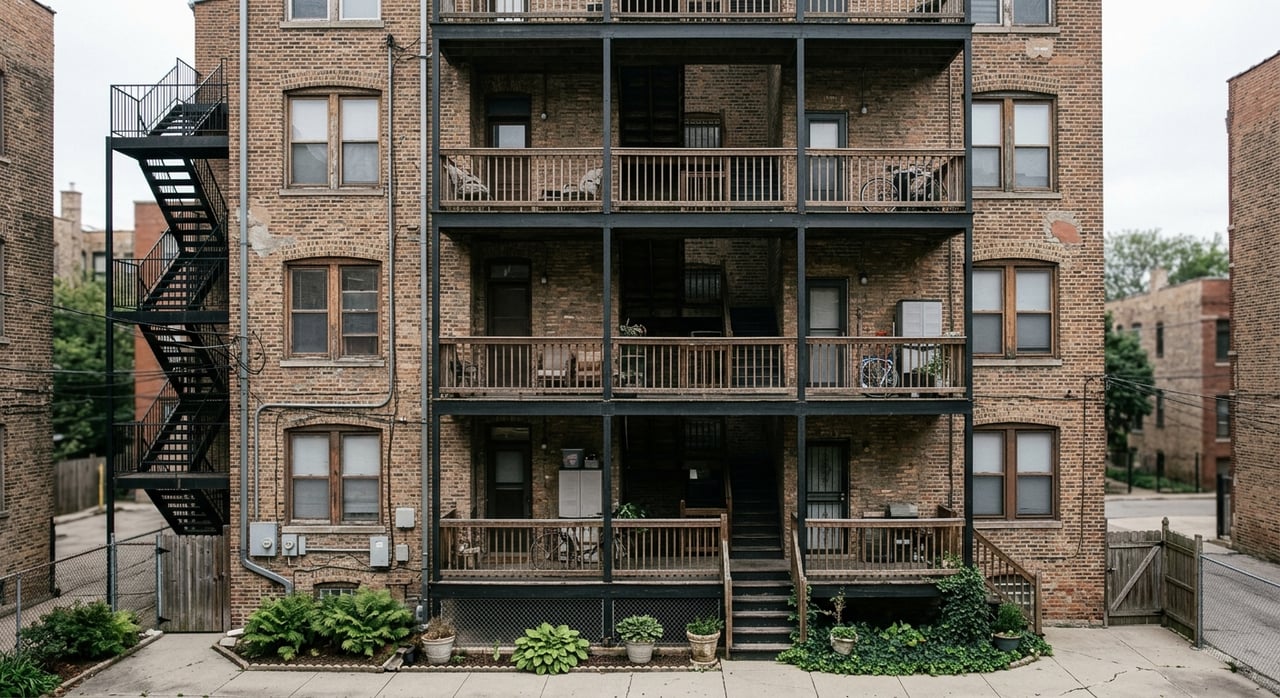
A value-add property can be the stronger choice when the current rents are clearly below market, deferred maintenance is visible and budgetable, and the rent gap is large enough to justify the work. That last point is the key one.
In Ravenswood, the opportunity is not simply finding an older building. The neighborhood has plenty of vintage housing stock. The opportunity is finding a building where the post-renovation income increase is meaningful enough to offset downtime, soft costs, carrying costs, and the friction that comes with permits and approvals.
Chicago’s permit process matters here. The City of Chicago states that renovation and alteration permits may require architect or engineer plans, zoning approval or waiver, and resolution of open corrections or holds before issuance. If a property is affected by landmark or landmark-district review, that can also become part of the process.
That means value-add returns in Ravenswood depend on more than your contractor budget. They also depend on how smoothly the project moves through city review and how much timing risk you can absorb.
Signs a value-add deal may fit you
- Current rents sit well below neighborhood rent benchmarks
- Deferred maintenance is concrete and can be scoped clearly
- You have reserves for vacancy, soft costs, and overruns
- The planned hold period is long enough for lease-up and seasoning
- Permitting, zoning review, and possible historic review are part of your model
A simple Ravenswood underwriting lens
If you want a practical way to compare turnkey and value-add, start with three numbers: gross scheduled rent, effective gross income, and the payback period on your renovation.
A simple framework looks like this:
- Gross Scheduled Rent = units × monthly rent × 12
- Effective Gross Income = Gross Scheduled Rent × (1 - vacancy/credit loss)
- Value-add Payback = total rehab + soft costs + carrying costs ÷ annual incremental NOI
Using Ravenswood’s average rent benchmark of $2,111 as a directional input, a 4-unit building would generate about $101,328 in annual gross scheduled rent. Using a vacancy range around 5.0% to 6.1%, effective gross income would fall around $95,100 to $96,300 before operating expenses.
That helps explain why some value-add deals disappoint. If your renovation only supports a 10% rent lift, the added gross revenue is only about $10,000 per year. A $120,000 rehab starts to look difficult to defend unless you also gain meaningful operating savings, resale upside, or a much larger final rent increase.
On the other hand, a more substantial rent reset can make the story work. If four units can each gain $450 per month after renovation, annual gross rent rises by $21,600 before vacancy. That does not guarantee a good investment, but it gives the renovation a much better chance to pay off over a longer hold.
Why turnkey often wins in Ravenswood
In a tight rental market with limited new supply, a clean and stable building has real value. Ravenswood appears to reward well-located, well-presented product, and broader Chicago occupancy data support the idea that stabilized rentals remain attractive.
That is why turnkey often wins when the value-add story is only modest. If the rent gap is small, permit friction is likely, or the construction scope is larger than it first appears, the lower-risk option can produce the better real-world result.
For many buyers, this becomes a trade between projected upside and execution certainty. In Ravenswood, certainty can be worth paying for.
When value-add is still the better bet
Value-add can still be the smarter move when the building has a clear mismatch between current condition, current rents, and neighborhood demand. The best examples are usually not cosmetic wish lists. They are buildings where the numbers show a real path to stronger income after realistic costs and timing.
You should be especially careful with assumptions around downtime. If units go offline during the work, your true cost is not just labor and materials. It is also the lost rent, the extra hold time, and the chance that approvals take longer than expected.
In other words, value-add only works when the margin of safety is wide enough. A thin spread can disappear quickly once real-world delays show up.
Due diligence questions to ask
Before you choose turnkey or value-add in Ravenswood, pressure-test the deal with a few local questions.
Questions for any multi-unit deal
- How does the current rent roll compare with neighborhood rent benchmarks?
- Which capital items are immediate and which can wait?
- Will any units be offline during repairs or renovation?
- Does the scope trigger permit review, zoning review, or landmark review?
- Does your hold period leave enough time for lease-up and income seasoning?
- Is your exit value based on income, improved presentation, or both?
Questions that matter more for value-add
- Is the rent gap large enough to justify total project cost?
- Have you included soft costs and contingency in the budget?
- Do you have reserves if permits or construction run longer than planned?
- Are you counting on aggressive post-renovation rents without clear support?
How to choose the right path
If you want simpler execution, faster income, and fewer variables, turnkey is often the stronger fit in Ravenswood. That is especially true if the property is already leasing near market and the building condition supports a stable hold.
If you have rehab experience, patient capital, and a truly meaningful rent gap to close, value-add can create better long-term results. The key is to underwrite conservatively and treat city process, downtime, and soft costs as real line items, not afterthoughts.
The right answer is rarely about which label sounds better. It is about which strategy matches the actual building, the local market, and your tolerance for execution risk.
In Ravenswood, that kind of decision benefits from both neighborhood-level data and practical rehab judgment. If you want help comparing a stabilized building to a repositioning opportunity, John Charmelo can help you pressure-test the numbers, the scope, and the likely path from offer to outcome.
FAQs
What is a turnkey multi-unit deal in Ravenswood?
- A turnkey multi-unit deal in Ravenswood is generally a building that is already in rentable condition, has limited near-term repair needs, and is closer to market rent, making it better suited for immediate or near-immediate cash flow.
What is a value-add multi-unit deal in Ravenswood?
- A value-add multi-unit deal in Ravenswood is usually a property with below-market rents, deferred maintenance, or renovation potential that could support higher income after improvements, assuming the added revenue justifies the cost and timing.
Are Ravenswood rents strong enough for multi-unit investing?
- Directionally, yes. Recent sources show average neighborhood rent around $2,111 and an active rental market, while broader Chicago and Cook County multifamily data point to relatively tight occupancy and limited new supply.
Why do permits matter for Ravenswood value-add deals?
- Permits matter because renovation and alteration work in Chicago may require plans, zoning approval or waiver, and resolution of open issues before issuance, which can add cost and time to a project.
Is turnkey or value-add safer in the Ravenswood market?
- Turnkey is usually the lower-risk option because it limits construction, vacancy, and approval risk, but value-add can outperform when there is a clear rent gap and enough margin to cover rehab costs, downtime, and delays.
How should you compare turnkey and value-add buildings in Ravenswood?
- Start by comparing current rent roll, likely vacancy, repair needs, permit exposure, total project cost, and realistic post-improvement income. The better choice is the one that still works after conservative assumptions are applied.