Thinking about living in one unit and renting out the others in Logan Square? It can be a smart way to lower your monthly housing cost, but only if you understand the building, the financing, and the real first-year expenses. In a neighborhood full of classic Chicago flats and strong renter demand, the opportunity is real, but so are the details. Here’s how to think through the basics before you make an offer.
Why Logan Square works for house hacking
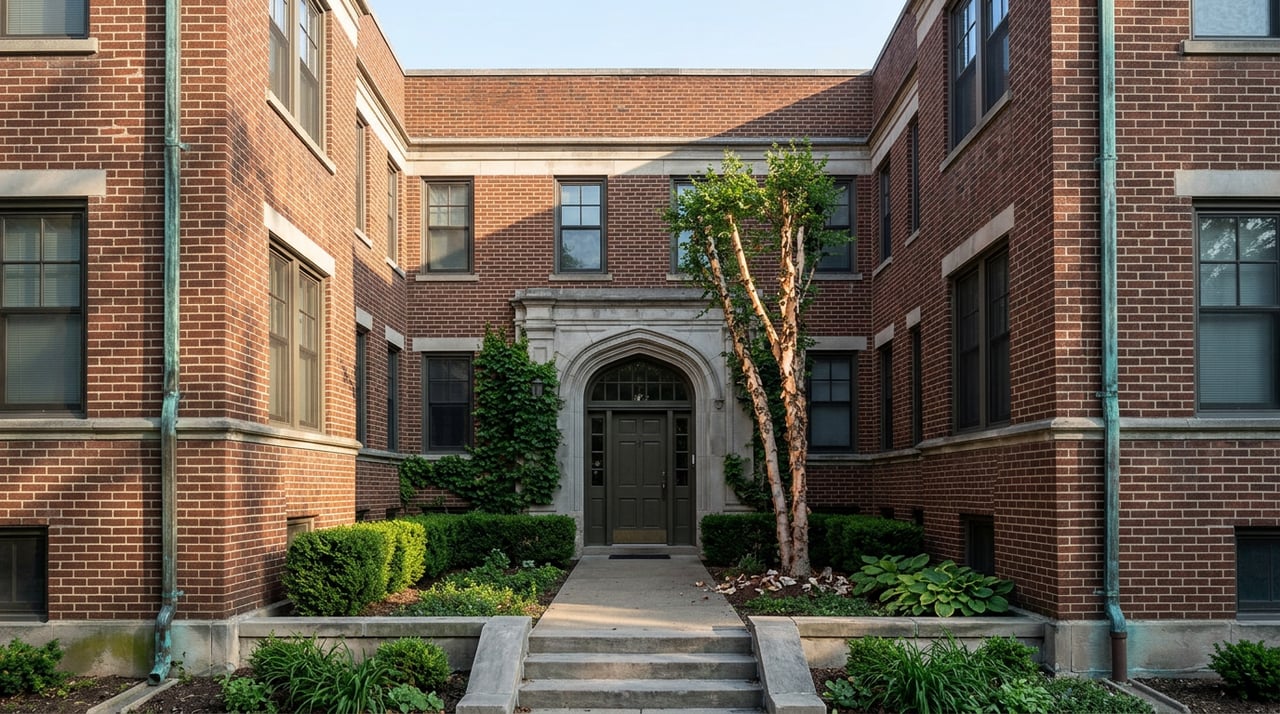
Logan Square has a housing mix that fits the house-hacking model well. The neighborhood is known for brick and limestone homes, apartment buildings, historic boulevards, and denser corridors along the avenues and around the square. It is also walkable, bike-friendly, and served by the Blue Line, which supports steady renter demand.
That demand shows up in the numbers. RentCafe reports that 62% of households in Logan Square are renter-occupied. For a buyer considering a small multi-unit, that matters because your plan depends on the local rental base being deep enough to support consistent leasing.
At the same time, pricing is not cheap. Redfin reported a median sale price of about $577,500 in March 2026, with homes averaging about 41 days on market. That means you need to evaluate each deal carefully and avoid assuming that rent alone will make every property work.
What buyers usually mean by house hacking
In simple terms, house hacking usually means buying a 2- to 4-unit property as your primary residence, living in one unit, and renting the others to help offset your housing costs. In Logan Square, that often means looking at a two-flat, three-flat, four-flat, or small apartment building instead of a condo.
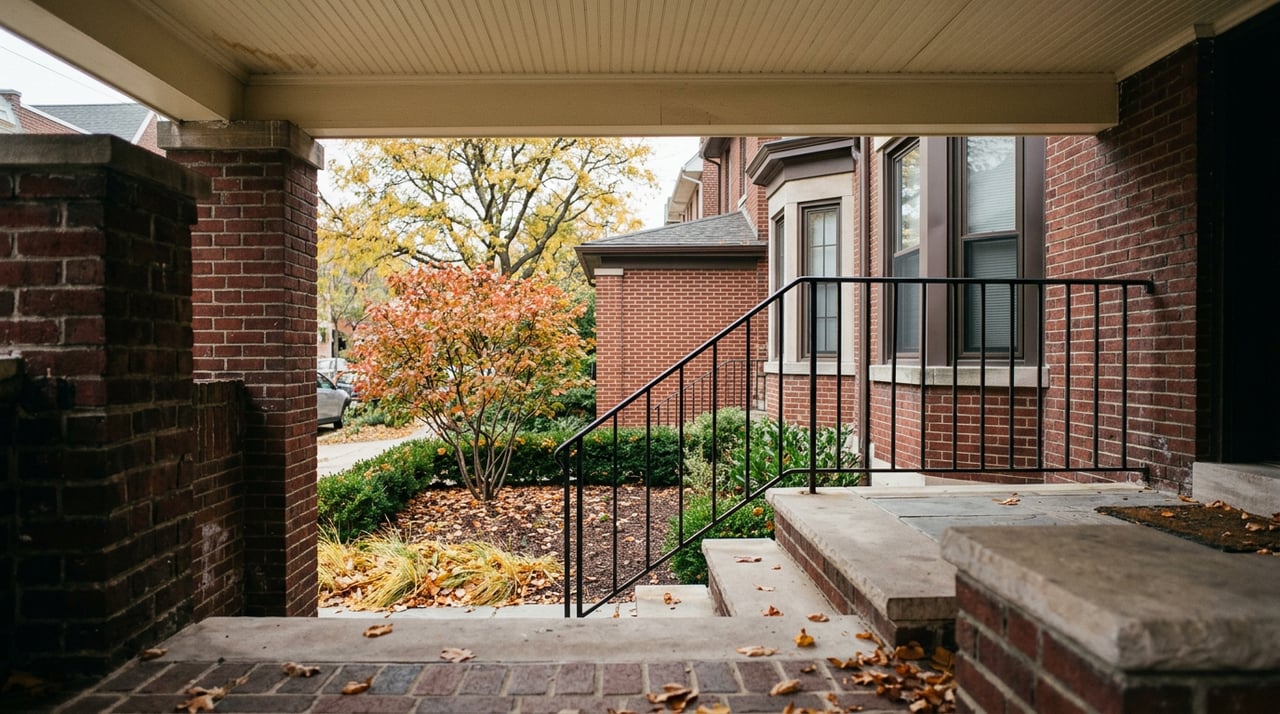
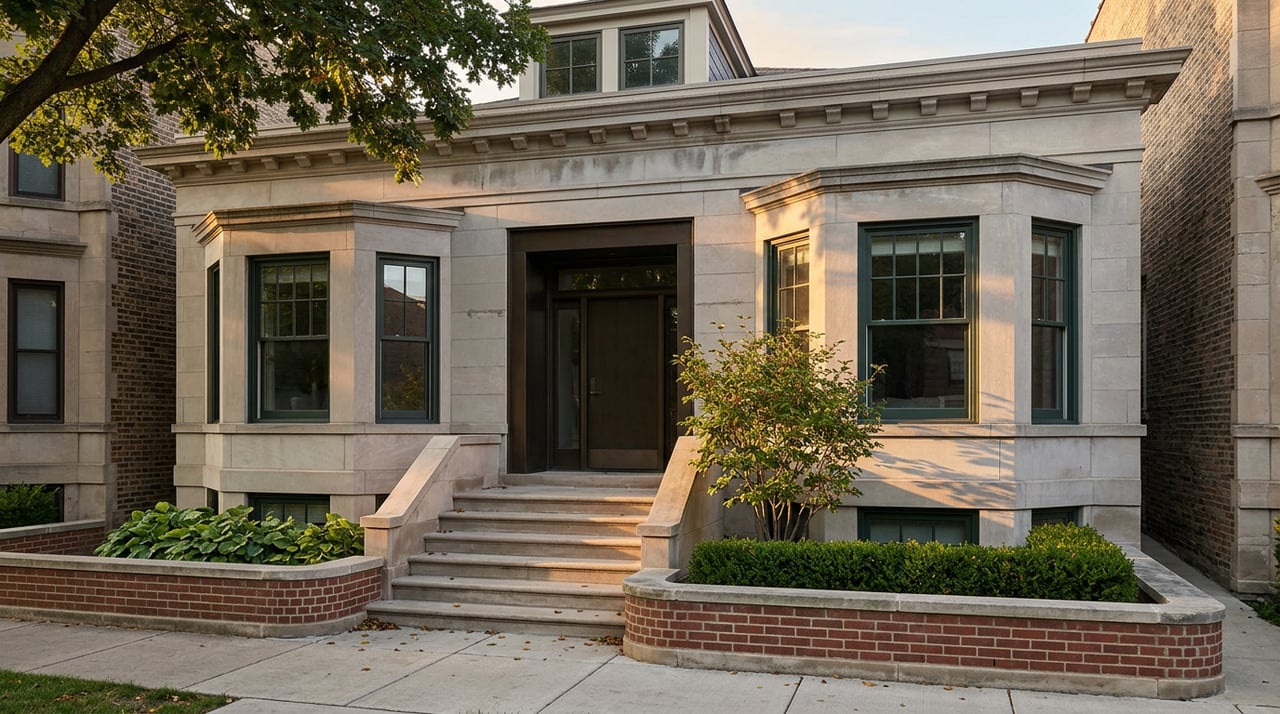
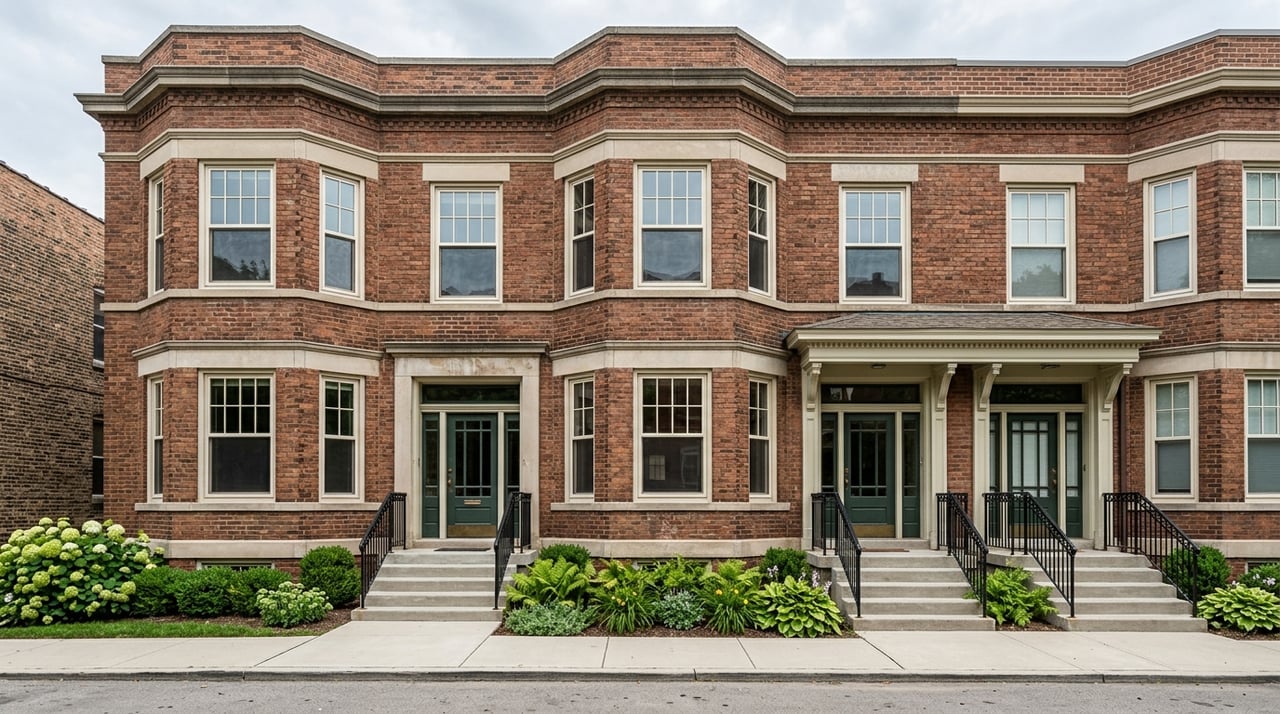
Chicago’s classic two-flats and three-flats are a big part of this story. The Chicago Architecture Center notes that these buildings make up more than 30% of the city’s housing stock, with many built between 1900 and 1920. They are typically two stories with one apartment per floor and often feature brick or greystone exteriors, bay windows, porches, and cornices.
For buyers, that building type creates both opportunity and risk. You may get more flexibility and rental income potential than you would with a single-unit property, but you are also more likely to deal with older systems, deferred maintenance, and building-code issues that affect your budget right away.
Logan Square rents need a closer look
One of the biggest mistakes buyers make is relying on a single neighborhood rent average. Current rent estimates in Logan Square vary meaningfully by source. Apartments.com lists about $2,247 for a two-bedroom, while RentCafe lists about $2,966.
That gap is a reminder to stay specific. The real question is not what the average Logan Square unit rents for, but what your unit, on your block, in your building condition can rent for compared with nearby alternatives. Unit layout, finish level, bedroom count, utilities, and building condition all matter.
This is where a more analytical approach helps. Before you get attached to a property, you want nearby rental comps that actually match the unit type, not broad neighborhood averages that can hide major differences.
Financing basics for 2- to 4-unit homes
If you plan to live in one of the units, financing options may be broader than many buyers expect. HUD states that FHA financing is available on 1- to 4-unit properties, with down payments as low as 3.5% for eligible borrowers. Freddie Mac also supports 2- to 4-unit owner-occupied primary residences and notes that rent from the other units can be added to borrower income for debt-to-income purposes.
That said, lenders do not usually count every dollar of rent at face value. Fannie Mae says rental income used for qualifying is generally counted at 75% of gross monthly rent when lease or market-rent documentation is used. That haircut is meant to account for vacancy and maintenance.
For you, that changes the math. A property might look affordable on a simple spreadsheet, but the lender’s version of the numbers can be more conservative. It is smart to underwrite with that in mind from the start.
Taxes can change the payment
Cook County property taxes need to be part of your analysis from day one. According to the Cook County Assessor’s Office, taxes depend on assessments, appeals, exemptions, and local tax levies, and the county uses a triennial reassessment cycle. That means the tax bill you see today may not tell the whole story after a sale.
For a Logan Square house hack, this matters because your monthly payment can shift if exemptions change or an assessment is updated. You should verify the current tax bill and ask how the property’s tax status could change after closing. Even a deal with strong rent potential can feel very different once taxes are fully reflected in the payment.
Older-building due diligence matters in Chicago
Most of the small multi-unit stock that attracts house hackers in Logan Square is vintage housing. That charm is part of the appeal, but older buildings require a sharper due diligence process. If you are comparing a turnkey property with a value-add opportunity, the condition gap can have a major impact on your first-year costs.
Lead-based paint is one important example. The EPA says 87% of homes built before 1940 have some lead-based paint, and disclosure rules generally apply to most pre-1978 housing before sale or lease. Since many Chicago two-flats and three-flats were built in the early 20th century, this is a practical issue, not a theoretical one.
The EPA also notes that renovation, repair, and painting in pre-1978 housing can create dangerous lead dust. If your plan includes updates after closing, you want to understand that risk and plan accordingly before work begins.
Common issues in vintage multi-units
Chicago inspection records show a pattern of issues that come up repeatedly in older multifamily buildings. These include missing or inoperative smoke detectors, carbon monoxide detector problems, porch deterioration, spalling brick, open mortar joints, water-damaged walls and ceilings, and defective doors.
Those are not just cosmetic items. They can affect safety, livability, rent readiness, and immediate repair costs. In a house-hack scenario, these issues can quickly turn a manageable monthly payment into a more stressful first year.
Chicago’s inspection records also reflect detector standards in practice, including smoke detectors in every dwelling unit and carbon monoxide detectors where fossil-fuel heating is present. If you are buying an older building, these are the kinds of details worth checking early.
Turnkey versus value-add
In Logan Square, buyers often face a simple trade-off. A turnkey building may lower your near-term repair risk and make your move-in easier. A value-add property may offer more upside, but it can also require more capital, more coordination, and more patience.
That decision depends on your cash reserves, your comfort with repairs, and how much project management you want in the first year. A building that looks like a bargain on price can become expensive if porches, masonry, detectors, water damage, or roof-related issues need attention right after closing.
This is where careful deal analysis matters more than broad neighborhood hype. The best house hack is not always the property with the highest projected rent. Often, it is the one with the most realistic balance of price, condition, financing, and near-term expenses.
Records to check before you offer
If you are serious about a multi-unit in Logan Square, city records can help you ask better questions. Chicago says its permit-status tool shows limited public information by address and may not include older permits. That means permit information should be reviewed alongside inspection history, not by itself.
This is especially important when a property is marketed as updated or move-in ready. If your numbers depend on a turnkey assumption, you want to check whether public records suggest unresolved issues or recurring building problems. That step can protect both your budget and your expectations.
Simple questions to ask yourself
Before you make an offer, keep your underwriting focused on a few practical questions:
- What can each unit actually rent for based on nearby comparable units?
- How much reserve money will you need for repairs, turnover, and routine maintenance?
- Which loan program fits your budget and occupancy plan best?
- How could Cook County taxes affect the monthly payment after closing?
- Do city inspection or permit records suggest first-year repairs you should price in now?
If you can answer those questions clearly, you will be in a much better position to judge whether a Logan Square multi-unit is a true opportunity or just an attractive idea on paper.
The Logan Square takeaway
House hacking in Logan Square can make sense because the neighborhood has the right mix of renter demand, transit access, and classic small multi-unit housing. But success usually comes from disciplined underwriting, not optimism. You need realistic rent comps, a financing plan that reflects lender rules, and a clear understanding of what an older Chicago building may need.
If you want a more grounded read on a specific two-flat, three-flat, or 2- to 4-unit opportunity, working with someone who understands both neighborhood pricing and rehab economics can make a real difference. To talk through a Logan Square multi-unit purchase, connect with John Charmelo.
FAQs
What is house hacking in Logan Square?
- House hacking in Logan Square usually means buying a 2- to 4-unit property, living in one unit as your primary residence, and renting the other units to help offset your housing costs.
Why do Logan Square multi-units appeal to house hackers?
- Logan Square has classic Chicago two-flats and three-flats, strong renter occupancy, walkable streets, bike access, and Blue Line service, all of which support the small multi-unit model.
Can you use FHA financing for a Logan Square multi-unit?
- HUD says FHA financing is available for 1- to 4-unit properties, and eligible buyers may qualify for down payments as low as 3.5% when the property is owner-occupied.
How do lenders count rental income on a 2- to 4-unit property?
- Fannie Mae says rental income used for qualifying is generally counted at 75% of gross monthly rent when lease or market-rent documentation is used.
What building issues should Logan Square buyers watch for in older flats?
- Chicago inspection records commonly show issues such as smoke detector problems, carbon monoxide detector issues, porch deterioration, masonry wear, water damage, and defective doors in older multifamily buildings.
Why should Logan Square buyers verify Cook County property taxes early?
- The Cook County Assessor’s Office says taxes can change based on assessments, appeals, exemptions, and local levies, so buyers should confirm the current bill and understand what could affect the payment after closing.