Wondering whether a Lincoln Square condo is the right fit for your lifestyle and budget? You are not alone. This neighborhood offers a lot to love, but condo living here can feel very different depending on the building, the block, and the association behind it. If you are thinking about buying in Lincoln Square, this guide will help you understand what to look for, what to ask, and how to weigh convenience against long-term costs. Let’s dive in.
Why Lincoln Square Condo Living Feels Different
Lincoln Square has a strong neighborhood identity shaped by transit, local retail corridors, and a mix of residential streets. The Lincoln Square Ravenswood Chamber describes the area as a place with independent shops, restaurants, cafés, arts centers, parks, and quieter tree-lined blocks.
That mix matters when you are shopping for a condo. A unit near Lincoln, Western, Lawrence, Montrose, or Rockwell may offer easier access to daily errands and transit, while a building tucked onto a side street may feel quieter and more private. In Lincoln Square, a few blocks can change your day-to-day experience in a big way.
What Types of Condos You Will See
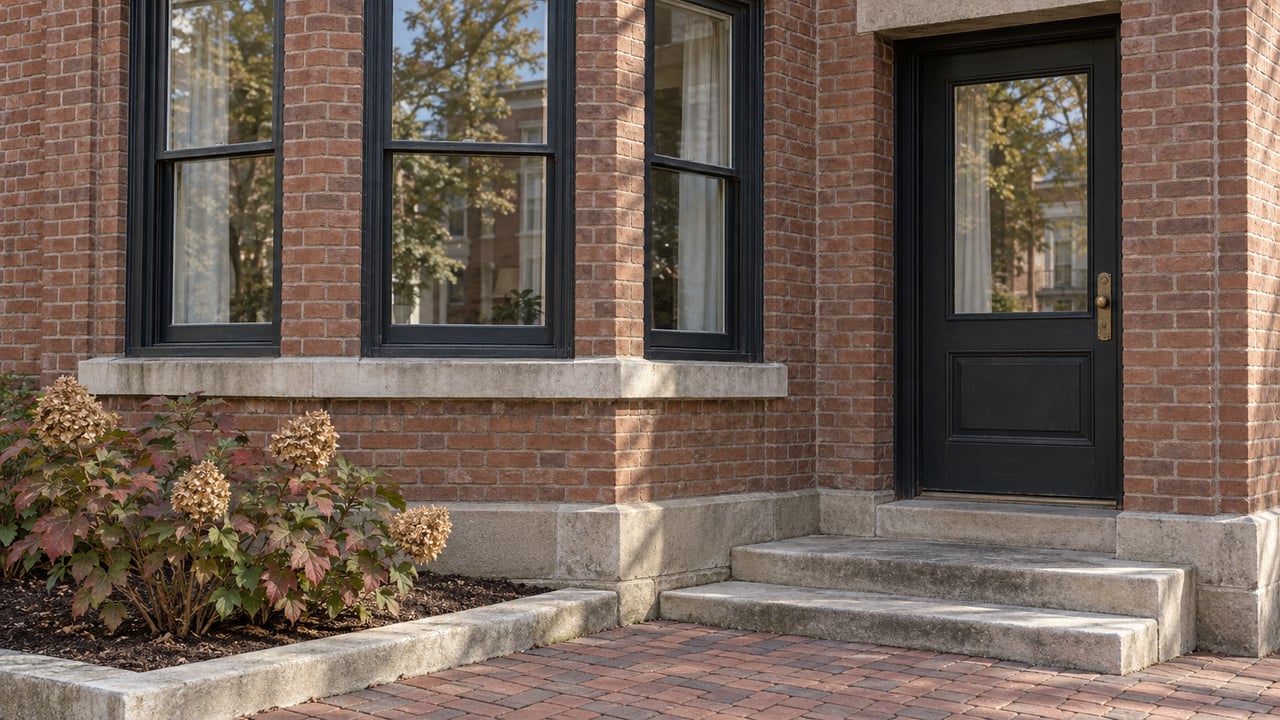
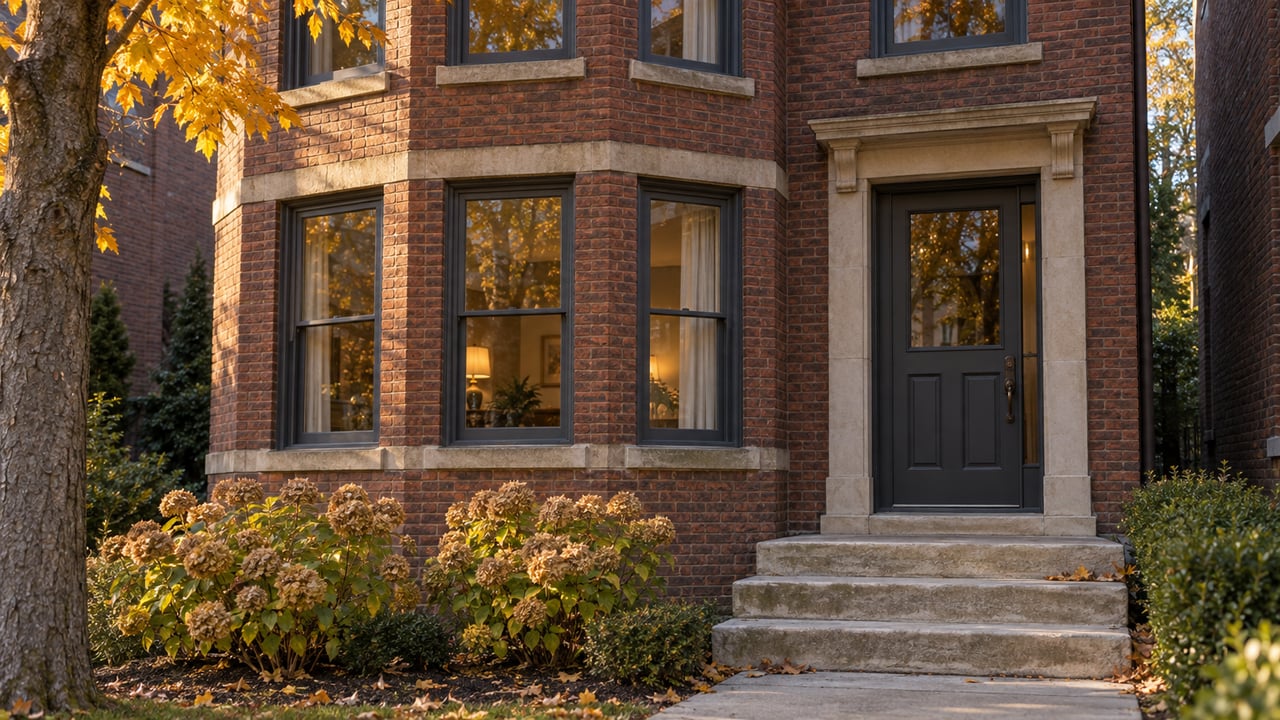
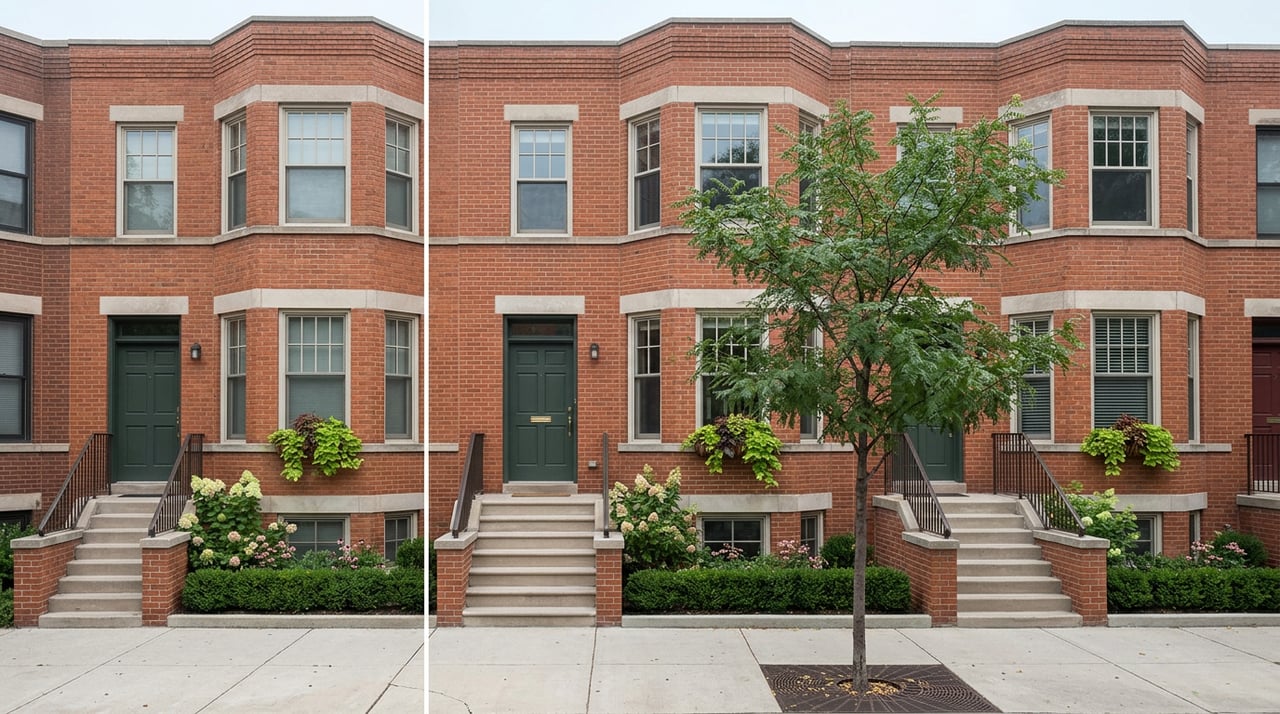
Lincoln Square did not develop as a neighborhood of large condo towers. Its transit-driven growth helps explain why buyers often find older low-rise buildings, courtyard walk-ups, smaller condo associations, and some newer elevator buildings instead.
That gives you more variety, but it also means you need to compare buildings carefully. Two condos with similar list prices may come with very different ownership experiences depending on age, maintenance history, and association finances.
Older Low-Rises and Courtyard Buildings
Older buildings can offer charm, solid layouts, and lower-scale living. They may also face major common-area projects sooner, especially if roofs, masonry, or mechanical systems are aging.
That does not mean you should avoid them. It means you should look closely at reserves, recent repairs, and whether the board appears to be planning ahead.
Newer Elevator Buildings
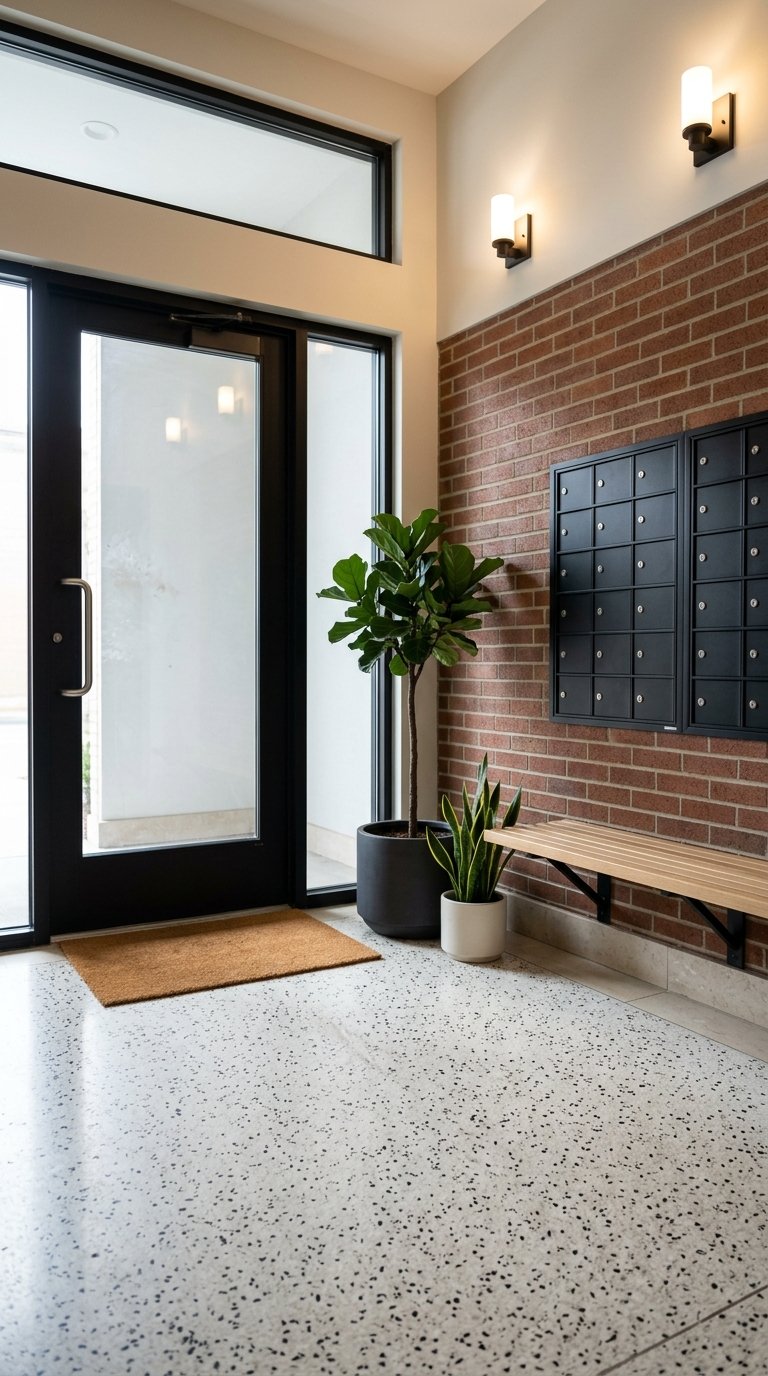
Newer buildings may offer amenities, elevators, and more updated common areas. In some cases, they also come with higher monthly assessments because the association is maintaining more shared systems and services.
The key is to understand what those assessments support. A higher assessment is not automatically bad if the building is well run and properly funded.
Assessments Matter, But So Do Reserves
One of the biggest mistakes buyers make is focusing only on the monthly assessment. In Lincoln Square, that can be risky, especially in older buildings with smaller associations.
Under the Illinois Condominium Property Act, condo boards must prepare and distribute a detailed annual budget and provide for reasonable reserves for capital expenditures and deferred maintenance. Illinois uses a reasonableness standard, not a fixed reserve percentage, so there is no one number that tells you everything. You have to look at the full picture.
Why a Low Assessment Can Mislead You
A low monthly payment may look appealing at first. But if the building has thin reserves or has delayed maintenance, that lower cost today can turn into a larger expense later through a special assessment or major repair project.
This is especially important in older Lincoln Square buildings, where big-ticket items may include roofing, exterior masonry, or mechanical work. A condo can seem affordable until the building needs expensive work and the association is not ready.
What Illinois Law Requires Associations to Consider
When boards plan reserves, Illinois law says they must consider factors like:
- Repair and replacement costs
- The useful life of common-property components
- The return on reserve funds
- Any independent reserve study
- The impact of reserve funding on owners and unit values
- The association’s ability to obtain financing or refinancing
If an association waives part or all of the reserve requirement, that waiver must be approved by a two-thirds vote. It also must be disclosed in financial statements and in the resale disclosure package provided to buyers.
Condo Documents You Should Review
Before you buy a condo in Lincoln Square, the paperwork matters almost as much as the unit itself. Illinois resale law requires important association disclosures to be made available to the buyer.
These documents can tell you whether the building is proactive, stable, and transparent, or whether problems may be building under the surface.
Key Documents to Request
You should review:
- The declaration
- The bylaws
- The rules and regulations
- The current budget
- A statement of unpaid assessments
- Any liens tied to the unit
- Anticipated capital expenditures for the current or next two fiscal years
- Current reserve-fund status
- Any earmarked project money
- The latest financial statements
- Recent board meeting minutes
- Any reserve study
Board minutes can be especially helpful. Illinois law requires condo boards to meet at least four times each year, with advance notice and posting of meetings. Those minutes often show whether the board is staying ahead of maintenance issues or reacting after problems get worse.
What You Actually Own in a Condo
Condo ownership can feel straightforward until questions come up about balconies, patios, parking, or shared building systems. Under Illinois law, the board is responsible for the operation, care, upkeep, maintenance, replacement, and improvement of the common elements.
The law also recognizes limited common elements, which can include balconies, terraces, patios, and parking spaces or facilities. These spaces may feel private in daily use, but they are often still governed by the association and the building’s documents.
Questions to Ask About Common Areas
Before you move forward, ask who is responsible for:
- Roof replacement
- Façade or exterior work
- Elevator service
- Snow removal
- Landscaping
- Hallway cleaning
- Shared outdoor spaces
- Parking areas or facilities
You should also ask about current rules for pets, storage, renovation hours, and use of any common outdoor areas. Since boards can adopt and amend rules, these policies can differ a lot from one building to another.
Transit Is a Major Part of the Appeal
Transit access is one of Lincoln Square’s biggest strengths. The CTA Brown Line runs daily from Kimball to downtown, and nearby stations include Montrose, Damen, Western, and Rockwell. Western station also connects to several bus routes, and the area is served by routes including 11, 49, 49B, 50, 78, and 81.
For many buyers, that level of access is a major lifestyle benefit. It can make commuting easier, reduce dependence on a car, and support day-to-day convenience.
Convenience Can Change by Block
Transit access can also shape the feel of a building. A condo near a station or major corridor may put shops, restaurants, cafés, and bus connections close by, but it may also bring more activity, more street noise, and less privacy.
That is why Lincoln Square condo shopping should never be just about the unit. You also want to evaluate the exact block, the street exposure, and how the building fits your daily routine.
Retail Corridors Add Energy
Lincoln Square has an active street-level environment for a low-rise North Side neighborhood. The chamber notes that neighborhood improvement services cover five main corridors and include sidewalk cleaning, landscaping, trash-receptacle servicing, branding, marketing, and holiday promotions.
The Lincoln Square Farmers Market at 2301 W Leland, next to the Western Brown Line, features more than 50 vendors each week. That kind of activity adds to the neighborhood’s appeal, but it can also make some blocks feel busier than others.
Think About Lifestyle and Resale Together
Buyers often value Lincoln Square for more than just the condo itself. The neighborhood’s identity, local businesses, parks, arts centers, and community events help support its appeal.
From a resale standpoint, transit access and walkability can widen the buyer pool. At the same time, buildings closest to busy retail or transit areas may ask you to trade some quiet for convenience. In this neighborhood, location and building quality need to be weighed together.
A Smart Lincoln Square Condo Checklist
If you are comparing condos in Lincoln Square, keep your focus on both lifestyle and risk. A careful review now can help you avoid surprises later.
Use this checklist as you narrow your options:
- Compare the building’s location to your noise and privacy preferences
- Review the current budget and reserve levels
- Ask whether any reserve waiver has been approved and disclosed
- Check for anticipated capital expenditures in the next one to two fiscal years
- Read recent board minutes for signs of recurring issues or strong planning
- Clarify responsibility for balconies, patios, parking, and other limited common elements
- Review rules for pets, storage, and renovations
- Weigh the value of Brown Line and bus access against block-by-block activity levels
Why Local Guidance Helps
Lincoln Square condo buying is rarely just about square footage and finishes. It is often about reading the building, the block, and the numbers together.
That is where a more analytical approach can help. When you understand how assessments, reserves, common elements, and location all interact, you can make a more confident decision and avoid buying into preventable problems.
If you are thinking about buying or selling a condo in Lincoln Square, John Charmelo can help you evaluate the numbers, the building, and the neighborhood with a practical, local perspective.
FAQs
What should you review before buying a condo in Lincoln Square?
- You should review the declaration, bylaws, rules, current budget, reserve status, financial statements, unpaid assessments, anticipated capital expenditures, recent board minutes, and any reserve study.
Why do condo reserves matter in Lincoln Square?
- Reserves matter because a building with low reserves or deferred maintenance may be more likely to face special assessments or major repair costs, especially in older low-rise buildings.
What does a condo assessment cover in a Lincoln Square building?
- Assessments often support common-element expenses such as roof work, exterior maintenance, elevator service, snow removal, landscaping, hallway cleaning, and other shared building costs, depending on the governing documents.
How does transit affect condo living in Lincoln Square?
- Transit is a major lifestyle feature because the Brown Line and several bus routes serve the neighborhood, but condos near stations or busy corridors may also have more activity and less privacy.
Are balconies and parking spaces private in Lincoln Square condos?
- Not always. Balconies, patios, terraces, and parking spaces may be limited common elements, which means they can feel private but are still governed by the association’s documents and rules.