Buying your first condo in Andersonville can feel exciting right up until the numbers and disclosures start getting real. You may love the neighborhood’s walkable feel, historic buildings, and local business scene, but still wonder what price range makes sense, how much HOA dues could add, and whether an older building could bring surprise costs later. This guide will help you understand how Andersonville’s condo market works, what first-time buyers should watch closely, and how to evaluate a unit with more confidence. Let’s dive in.
Andersonville Condo Market Basics
Andersonville is a North Side neighborhood within Chicago’s Edgewater community area, known for its historic character, Clark Street retail corridor, and strong base of local and independent businesses. It also offers a walkable main-street feel, with the Berwyn Red Line stop serving as the closest CTA station. For many first-time buyers, that mix of neighborhood identity and city convenience is a big part of the appeal.
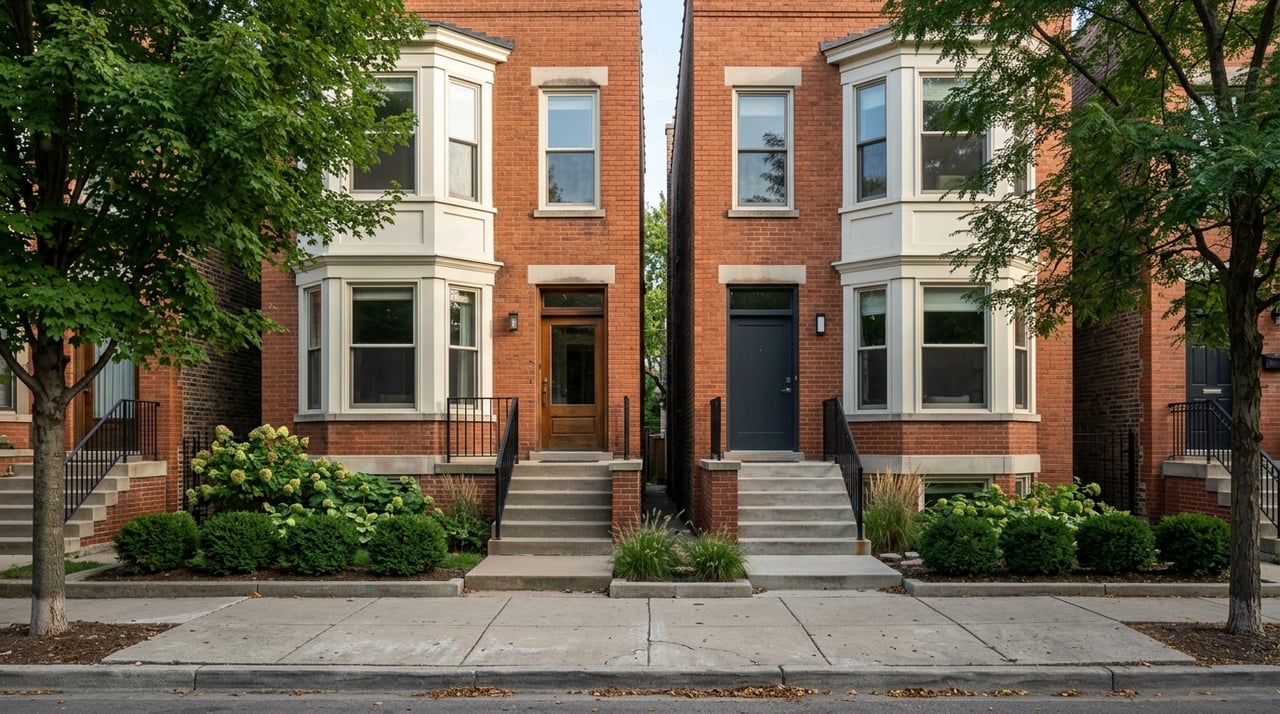
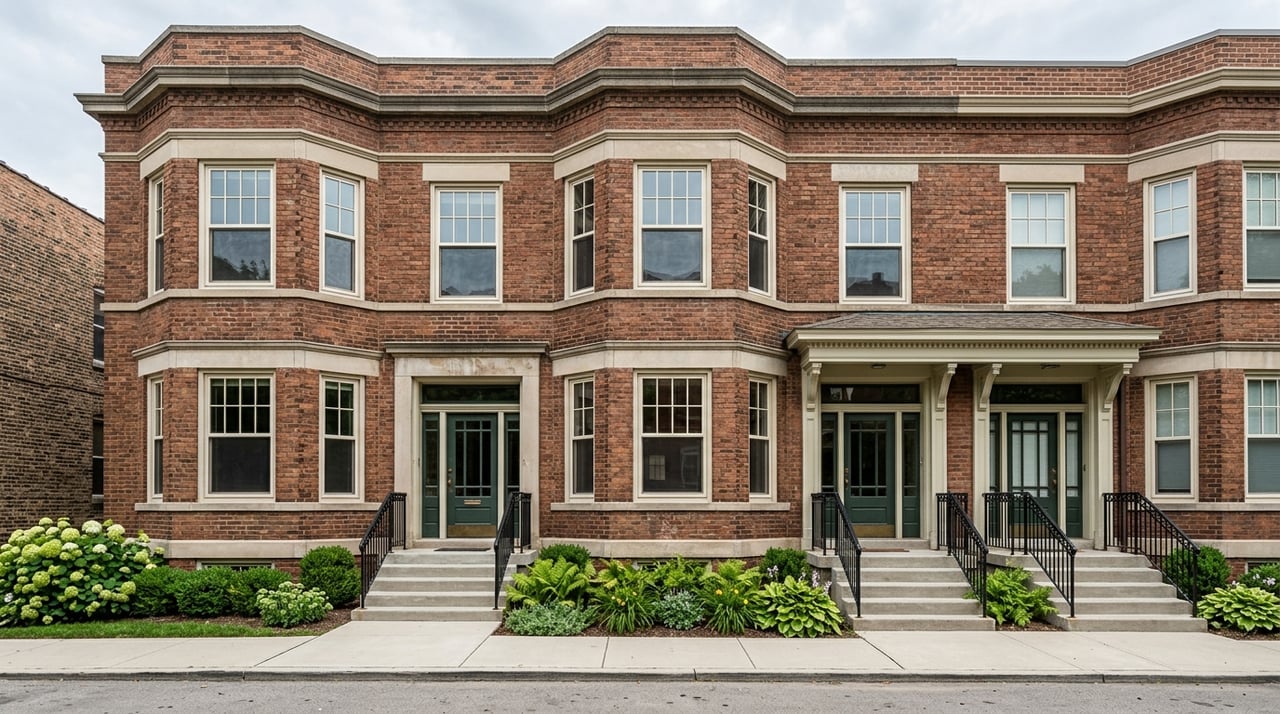
What matters just as much is that Andersonville is not a one-size-fits-all condo market. The neighborhood includes vintage courtyard and walk-up condos, condo conversions in older two- to four-unit buildings, newer boutique low-rise and elevator buildings, and some loft-style or higher-amenity options near Clark Street and the Edgewater border. That variety gives you choices, but it also means your monthly costs and ownership experience can vary a lot from one building to another.
What First-Time Buyers Can Expect to Pay
As of June 15, 2026, Redfin shows 7 condos for sale in Andersonville with a median listing price of $538,000. Realtor.com’s April 2026 market summary is lower, with a median listing price of $434,000 and a median sold price of $432,500. The best way to read that data is as a pricing range rather than one exact benchmark.
In practical terms, there are still entry points for first-time buyers. Current visible listings include examples at $220,000, $275,000, $284,900, $320,000, $334,000, $345,000, $349,000, $350,000, $400,000, $425,000, $450,000, $579,000, $699,000, and $950,000. That tells you smaller or simpler units can still land in the low-$300,000s and sometimes below, while larger or newer condos can rise well above $500,000.
Why Condo Type Matters
The building type often shapes your budget more than first-time buyers expect. A vintage walk-up may offer charm and a lower asking price, but it can come with older systems, more shared maintenance questions, or uneven reserves. A newer elevator building may reduce some near-term maintenance concerns, but it can also carry a noticeably higher price or monthly assessment.
This is where a data-driven comparison really helps. Two condos with similar square footage can have very different ownership costs depending on age, amenities, building size, and financial planning. In Andersonville, you are not just buying a unit. You are also buying into the way the building is managed.
HOA Dues Can Change the Math Fast
Visible HOA dues in the current Andersonville inventory range from about $234 per month to $1,140 per month. Several current examples cluster in the mid-$200s to mid-$500s, which is a wide enough spread to reshape what feels affordable. That is why first-time buyers should focus on the total monthly payment, not just the purchase price.
A lower assessment is not automatically better, and a higher one is not automatically a red flag. The real question is what the dues cover and whether the association is planning responsibly for maintenance and capital projects. In some cases, low dues may reflect efficient management. In others, they may point to deferred maintenance that could lead to special assessments later.
The Real Monthly Cost to Budget For
When you plan for your first condo in Andersonville, make sure you look beyond principal and interest. Your real monthly housing cost should include:
- Mortgage payment
- Property taxes
- Insurance
- HOA dues
- Possible future special assessments
This matters even more in the condo market because fees and building costs can shift over time. Redfin’s July 2025 condo market report noted that U.S. condo prices were under pressure in part because HOA fees and insurance costs had risen, and many associations were issuing hefty special assessments. For first-time buyers, that makes careful review of the building just as important as liking the unit itself.
What to Review in Condo Disclosures
Illinois requires a detailed condo resale disclosure package, and this is one of your most important protections as a buyer. The required materials include the declaration and bylaws, unpaid assessments, anticipated capital expenditures within the current or next two fiscal years, reserve fund status and any earmarked projects, the association’s latest financial condition, pending suits or judgments, insurance coverage, and a statement about whether prior alterations comply with the condo instruments.
The association must also prepare and distribute a detailed annual budget and provide reasonable reserves for capital expenditures and deferred maintenance, unless reserve requirements have been waived under Illinois law. If reserves have been waived, that waiver must be disclosed in the financial statements and in the Section 22.1 resale response. For a first-time buyer, these documents can tell you a lot about whether a building is stable, stretched, or heading toward added costs.
Four Disclosure Areas to Read Closely
You do not need to be an accountant to spot important issues, but you do need to read carefully. These are the areas that usually deserve the closest attention:
Building Budget
Look at how the association expects money to come in and go out. If the budget feels tight or basic maintenance costs seem underfunded, that may be a sign that dues are not keeping up with real building needs.
Reserve Fund Status
Reserves are the money set aside for future capital expenses and deferred maintenance. If reserves are thin, waived, or unclear, you should ask more questions about how the association plans to handle major repairs.
Capital Projects
Illinois disclosures must identify anticipated capital expenditures within the current or next two fiscal years. That can include roof work, masonry, porches, mechanicals, or other major items that could affect your near-term ownership costs.
Pending Suits or Judgments
Legal issues can create risk, delay financing, or affect the building’s finances. If a disclosure package mentions pending suits or judgments, you will want a clear explanation of what they involve and whether they could lead to extra costs.
Questions to Ask Before You Offer
Before you write an offer on an Andersonville condo, try to get answers to a few core questions:
- How does this building compare with similar Andersonville condos on price and monthly cost?
- Are the HOA dues covering routine needs comfortably?
- Does the association have meaningful reserves?
- Are any major projects or special assessments expected soon?
- Does the building allow future renting?
- If you plan to use FHA financing, is the building eligible?
These questions can help you avoid a common first-time-buyer mistake: focusing on finishes and floor plan while missing the bigger financial picture. A sharp purchase decision usually comes from balancing lifestyle, budget, and building health together.
FHA and Rental Rules Matter Early
If FHA financing is important to your plan, confirm that early in the process. Redfin noted that many condo associations do not allow FHA buyers, which can narrow your choices. It is much better to know that before you get attached to a property.
The same goes for future rental flexibility. If you think you may want to rent the unit later, verify the building’s rental policy and any owner-occupancy rules before making an offer. Even if you plan to live there for years, having a clear view of those rules helps you protect your options.
How to Shop Smart in Andersonville
For many first-time buyers, Andersonville works best when you compare condos in layers. Start with location, layout, and price range. Then compare assessments, building age, likely maintenance profile, and the quality of the association’s financial disclosures.
This is where an analytical approach can save you money and stress. A condo that looks like a bargain upfront may be less attractive if the building has weak reserves or looming projects. On the other hand, a unit with slightly higher dues may be the better long-term value if the association is budgeting responsibly and maintaining the property well.
A Practical First-Time Buyer Strategy
If you are shopping for your first condo in Andersonville, a solid strategy usually looks like this:
- Set a purchase budget and a full monthly payment target.
- Compare vintage, conversion, and newer building types separately.
- Review HOA dues as part of affordability, not as an afterthought.
- Read resale disclosures closely, especially reserves, budget, and capital projects.
- Confirm financing and rental rules before you move too far forward.
That process may feel more detailed than a simple home search, but it can reduce surprises in a meaningful way. In a neighborhood with as much building variety as Andersonville, the extra diligence is worth it.
If you want help comparing Andersonville condo options with a sharper eye on monthly cost, building risk, and real market value, connect with John Charmelo. You will get a practical, data-driven perspective tailored to Chicago’s North Side condo market.
FAQs
What is a realistic price range for first-time condo buyers in Andersonville?
- Current visible Andersonville condo listings range from about $220,000 to $950,000, with many entry-level options in the low-$300,000s and sometimes below.
How much are HOA dues for Andersonville condos?
- Visible HOA dues in current inventory range from about $234 per month to $1,140 per month, with several listings in the mid-$200s to mid-$500s.
What condo documents should first-time buyers review in Illinois?
- Illinois resale disclosures should include items such as the declaration, bylaws, unpaid assessments, anticipated capital expenditures, reserve fund status, financial condition, pending suits or judgments, insurance coverage, and compliance information for prior alterations.
Why do reserve funds matter when buying an Andersonville condo?
- Reserve funds help cover future capital expenses and deferred maintenance, so low or waived reserves can increase the risk of future special assessments or other added costs.
Can first-time buyers use FHA financing for Andersonville condos?
- Some condo associations do not allow FHA buyers, so you should confirm FHA eligibility early if that financing option matters to your purchase plan.
Should first-time condo buyers check rental rules in Andersonville buildings?
- Yes, because rental restrictions and owner-occupancy rules vary by association and can affect your future flexibility if you later want to lease the unit.