On a Saturday morning in September, kids on Wayne Avenue set up card tables and sell lemonade and muffins to strangers walking between garage sales. A few blocks over, North Shore Baptist Church props its doors open, not for a service but because a hundred houses across twelve blocks are having a yard sale at the same time, and somebody always needs a bathroom or a bottle of water before block six. People forget their wallets. Nobody minds. It happens every year, and it is, as far as anyone can tell, the single most attended day on the neighborhood's calendar.
That detail is worth sitting with, because Lakewood Balmoral does not have a commercial strip to gather around. No Clark Street, no Broadway, no strip of storefronts pulling foot traffic the way Andersonville or Edgewater does a few blocks in either direction. What it has instead is a resident-run organization that has spent more than half a century building the infrastructure a Main Street would normally provide, one event at a time. The yard sale is not really about the merchandise. It is the day the neighborhood's actual density of engagement becomes visible from the sidewalk instead of something you have to take on faith.
A twelve-block enclave with no storefronts to gather around
The Lakewood Balmoral Historic District covers about 63 acres, bounded by Magnolia Avenue to the east, Wayne Avenue to the west, Foster Avenue to the south, and Bryn Mawr Avenue to the north, according to the National Register listing. It sits inside Edgewater, a short walk from the Berwyn stop on the CTA Red Line, and it reads as almost entirely residential. Compare that to its neighbors: Andersonville's food and retail corridor runs the length of Clark Street, and Edgewater's commercial center of gravity sits along a stretch of Broadway. Lakewood Balmoral has neither. It is twelve blocks of houses with no retail anchor of its own, which means whatever public life exists here had to be built by the people who live in it.
That is not a small distinction. A neighborhood organized around a business district gets its social texture for free: people run into each other buying coffee or waiting for a table. A neighborhood without one has to manufacture those collisions on purpose, and Lakewood Balmoral has been doing exactly that since 1969.
The council was built to fight something, not to plan potlucks
The Lakewood Balmoral Residents' Council was established that year for a specific, unglamorous reason: to push back against red-lining mortgage practices affecting the area north of Foster Avenue, according to the LBRC's own history. That origin matters, because it means the organization that now plans the Ice Cream Social and strings luminaries down the streets on New Year's Eve started as an advocacy body responding to a lending practice that was actively working against homeowners here. The social calendar that exists today is downstream of that fight, not separate from it. The council kept organizing after the immediate crisis passed, and the muscle it built for coordinating residents block by block never really went away. It just found new uses.
Those uses now fill a surprisingly full year:
- A Winter/Spring Social to open the season
- An Ice Cream Social in warmer months
- The yard sale, spanning all twelve blocks each September
- The Harvest Moon Festival, most recently held Saturday, October 4, 2025, from 10 a.m. to 9 p.m., hosted on the 5400 block of Magnolia
- A Halloween gathering
- An annual Thanksgiving donation collection for Care for Real
- New Year's Eve luminaries lining the streets
None of this requires a storefront. All of it requires residents willing to show up and organize it themselves, which is a different kind of commitment than living near a coffee shop.
What the yard sale is actually measuring
The mechanics of the September sale are worth knowing if you have never walked it start to finish. It runs between Foster and Bryn Mawr, from Magnolia to Wayne, roughly a hundred houses across the full twelve-block footprint, typically starting around 9 a.m. In 2025 it landed on Saturday, September 6. North Shore Baptist Church has historically opened its doors during the event for restrooms and refreshments, a small but telling detail: the sale is big enough, and lasts long enough, that a neighborhood institution builds its own participation into the day rather than just tolerating the foot traffic.
What makes this different from a scattered handful of individual garage sales, the kind you would find in almost any residential pocket of the city, is the coordination. Getting a hundred households across twelve blocks to run their sales on the same day, at the same hours, with a shared church serving as informal home base, does not happen by accident. It happens because an organization with a fifty-plus-year track record of coordinating this exact neighborhood keeps doing the coordinating. The sale works as a rough census of how many households are willing to participate in something collective on a given Saturday, and the number has stayed high enough, year after year, that it is treated as one of the neighborhood's defining traditions rather than a novelty.
The architecture explains why residents bother
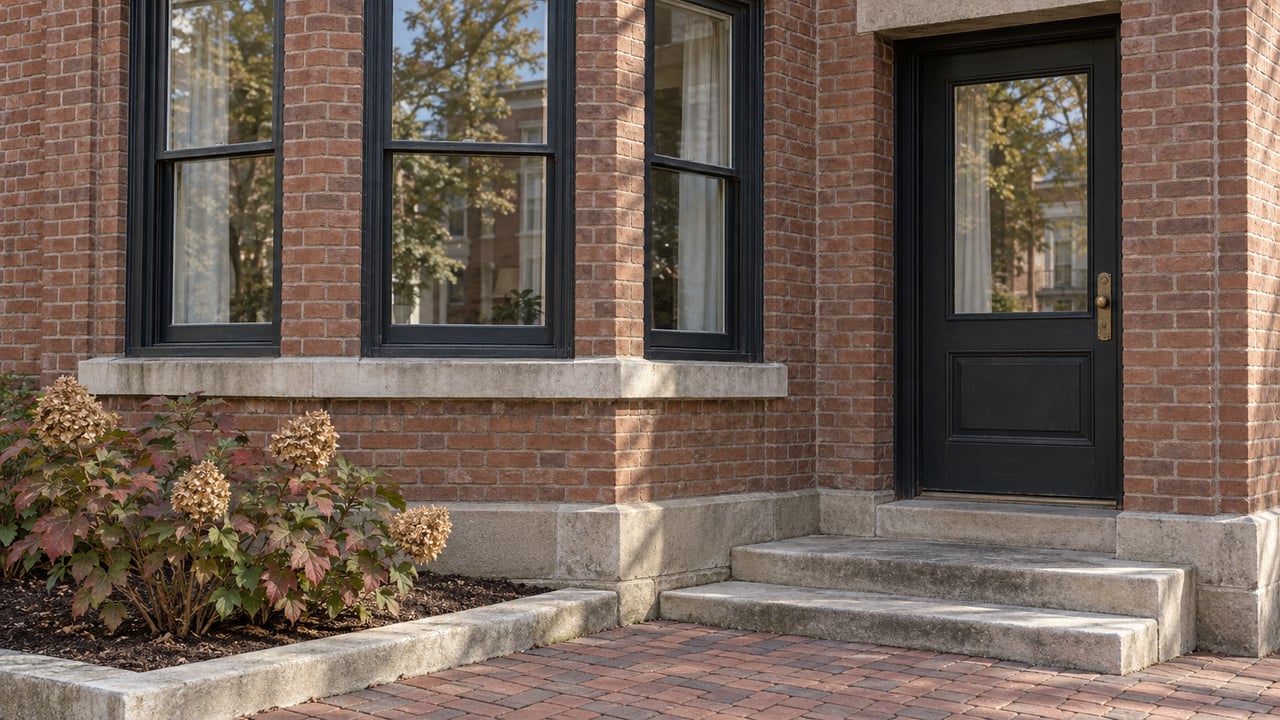
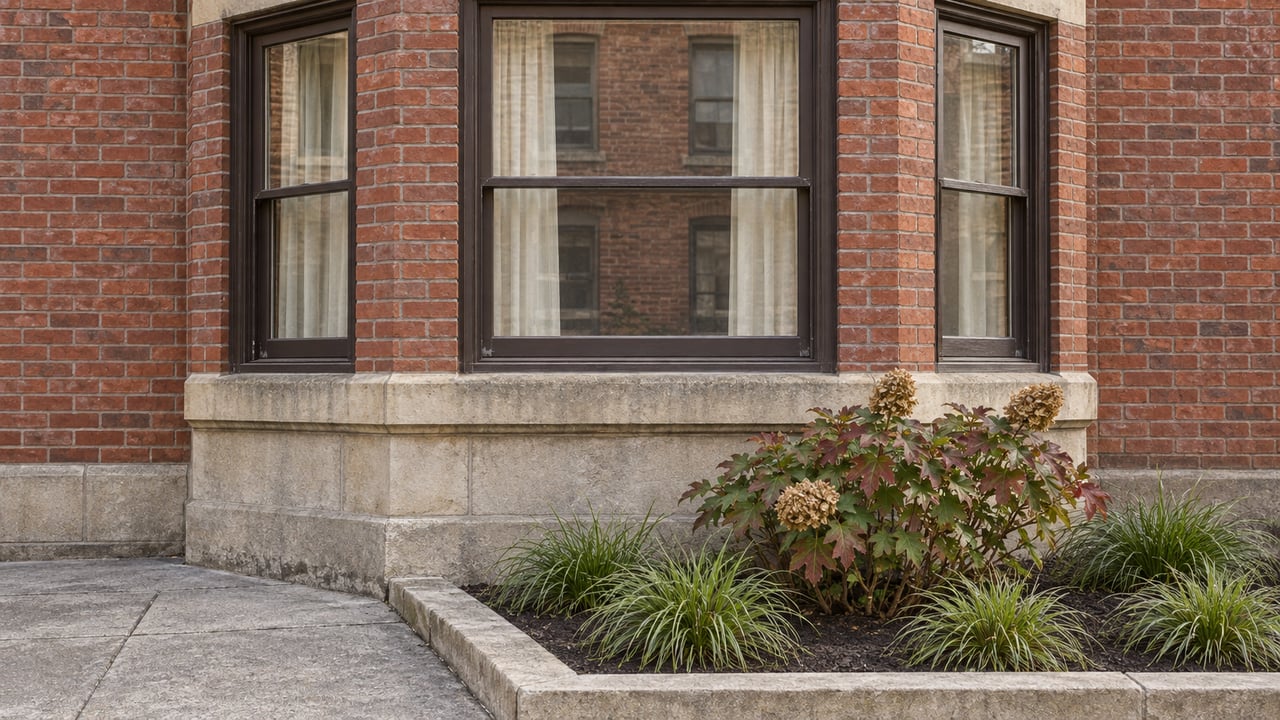
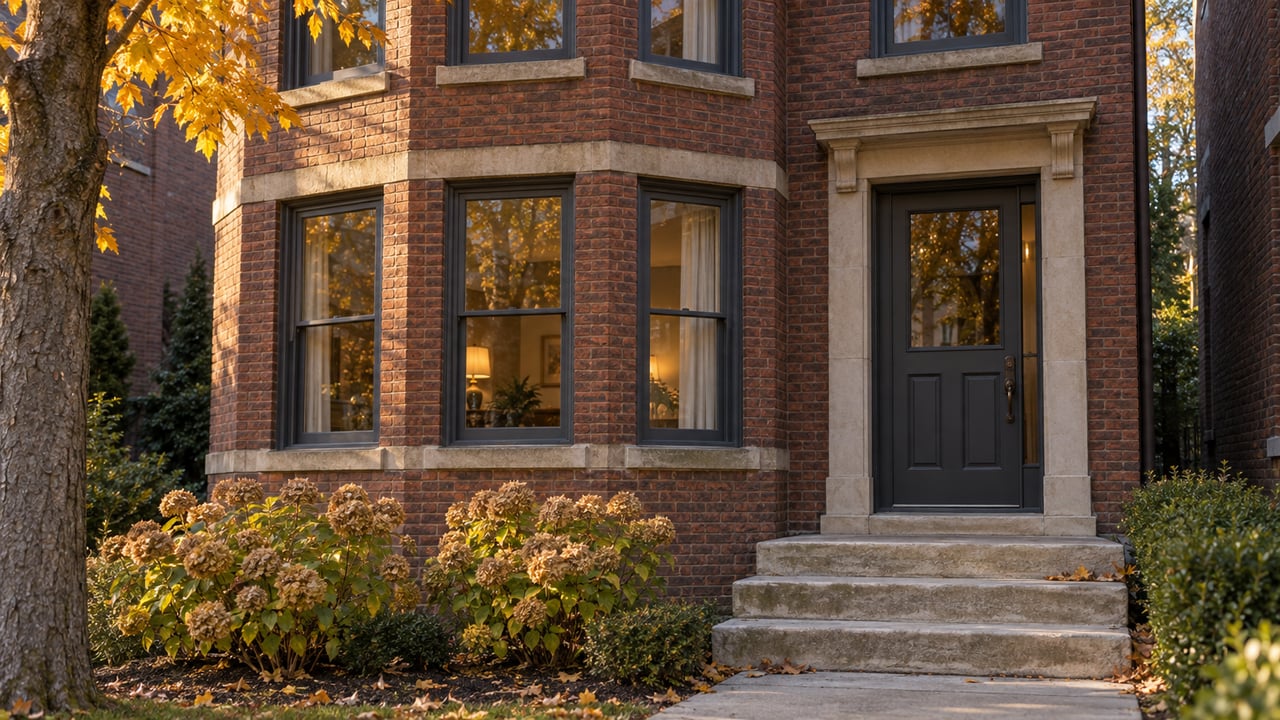
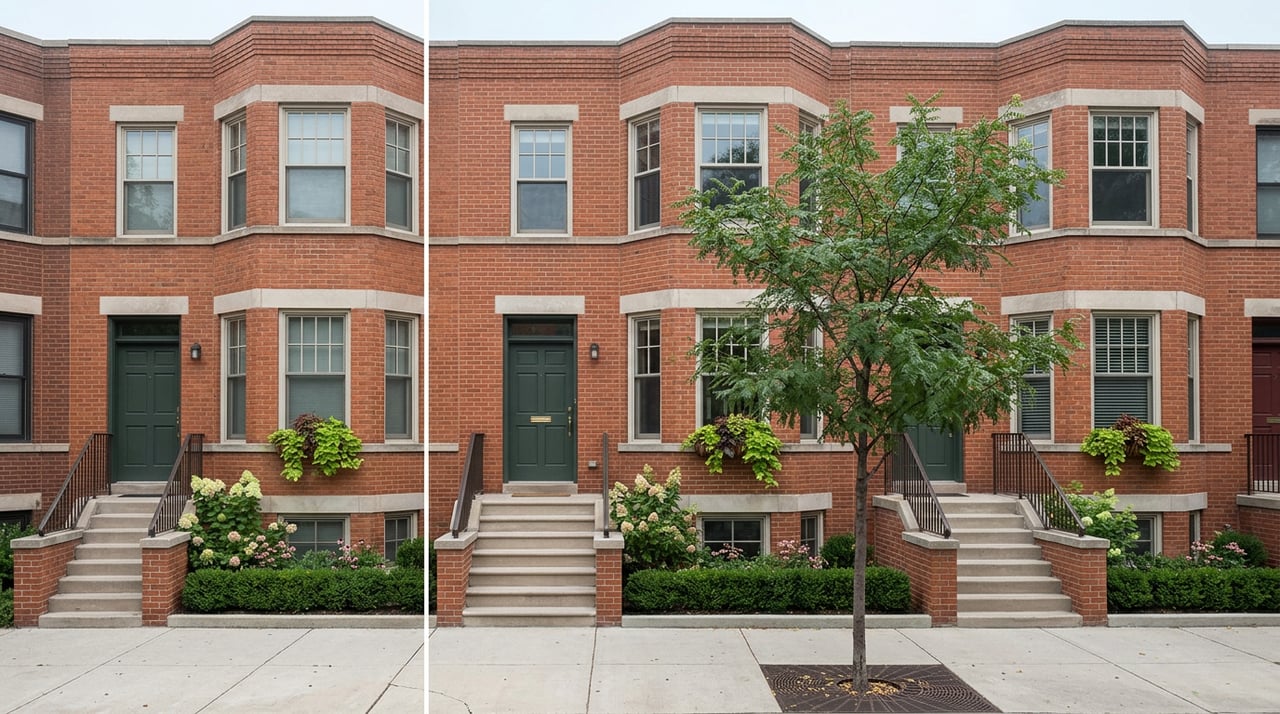
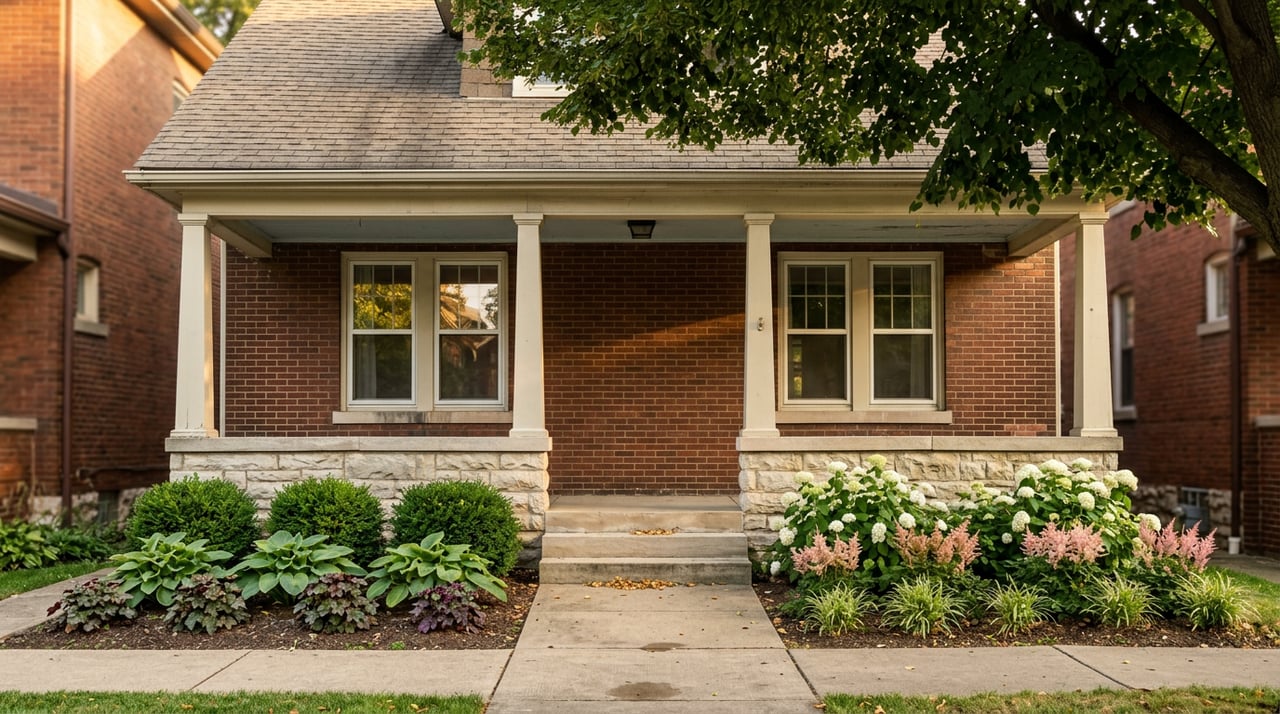
None of this civic effort exists in a vacuum. Lakewood Balmoral was platted starting in 1890 by John Lewis Cochran, who called it his "Third Addition to Edgewater" and marketed it as a more attainable alternative to the lakefront mansions he had already built closer to the water. Cochran, a Philadelphia native, named several streets in the district after stations on Philadelphia's Main Line: Berwyn, Bryn Mawr, and Wayne all trace back to that decision. In an 1899 promotional brochure, he described the housing stock as examples of English Gothic, Colonial, Arts & Crafts, Classic Colonial, Queen Anne, and French Renaissance styles, alongside the American Four-Square, Prairie-style homes, and brick or stone two-flats that also fill the district today.
That housing stock is why the district earned its 1999 listing on the National Register of Historic Places, with 490 buildings identified as contributing to the historic character of the area at the time of designation. A 1980s city survey went further, identifying eleven "orange-rated" homes considered to have unique historic, architectural, and cultural significance within Chicago, and the Chicago Historic Resources Survey of 1986 recognized many of the district's buildings as locally important landmarks in their own right.
People do not organize a twelve-block yard sale and string luminaries down the street every New Year's Eve because a plaque tells them to. But living inside a district this architecturally intact, where the buildings themselves carry a shared origin story back to one developer's 1890s vision, seems to reinforce the instinct to keep showing up for each other. The historic designation protects the buildings. The council protects the reason people bother to walk out their front doors and talk to their neighbors in the first place.
What this actually tells you about the neighborhood
Put those pieces together and the picture that emerges is not the generic "charming historic streets" description that shows up on nearly every real estate site covering this area. It is a neighborhood that never had the option of relying on a business district to generate community, so it built an alternative: an organization founded in response to an actual injustice, still running fifty-plus years later, still coordinating a calendar dense enough that the biggest single day of the year is not a festival with vendors but residents selling their own basements and attics to each other. That is a different kind of social infrastructure than a coffee shop provides, and it is harder to replicate.
If you already live here, none of this may surprise you day to day. But it is worth naming plainly: the reason Lakewood Balmoral feels tight-knit is not incidental to the architecture, it is a direct result of an organization that had to build cohesion from scratch, and has kept doing it long after the original emergency passed.
If you are weighing a move within this pocket of the North Side, want a clearer read on what a specific block or building type is worth right now, or just want a market update pulled from actual comparable activity rather than a portal average, John Charmelo covers Lakewood Balmoral and the surrounding North and Northwest Chicago neighborhoods directly. Request a Local Market Review and get a straight read on what is happening on your block, not a generic neighborhood summary.