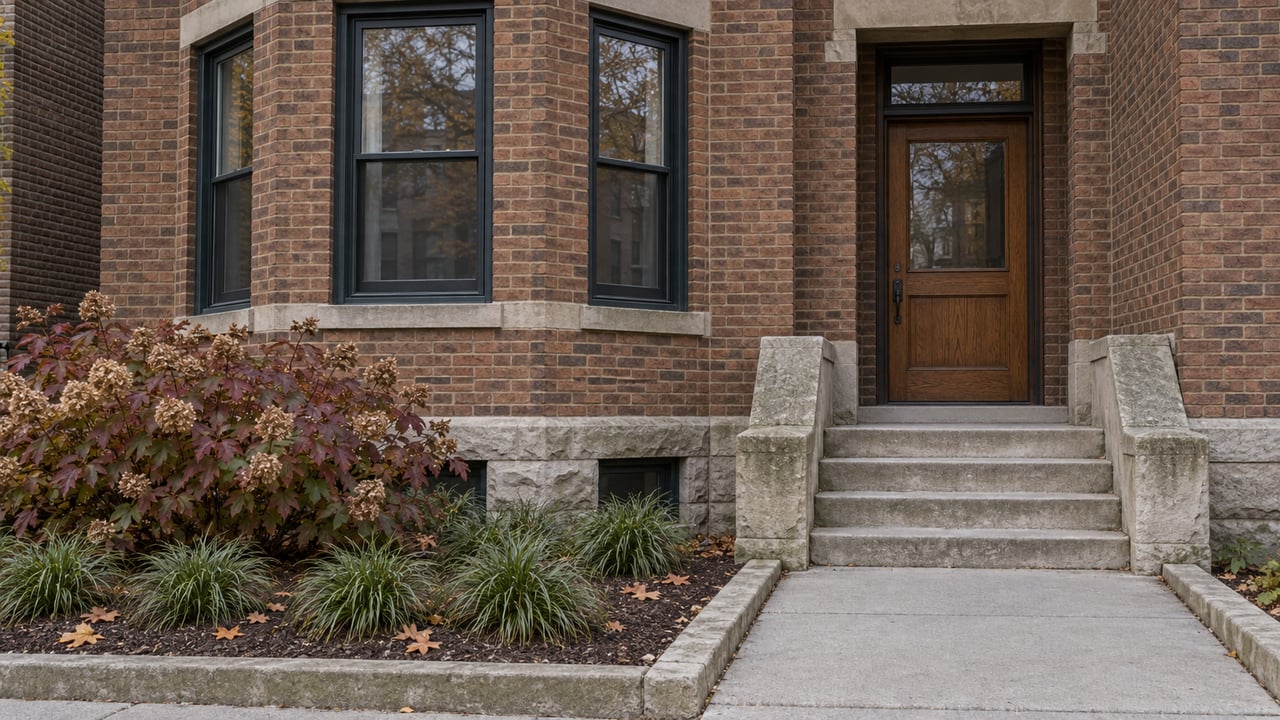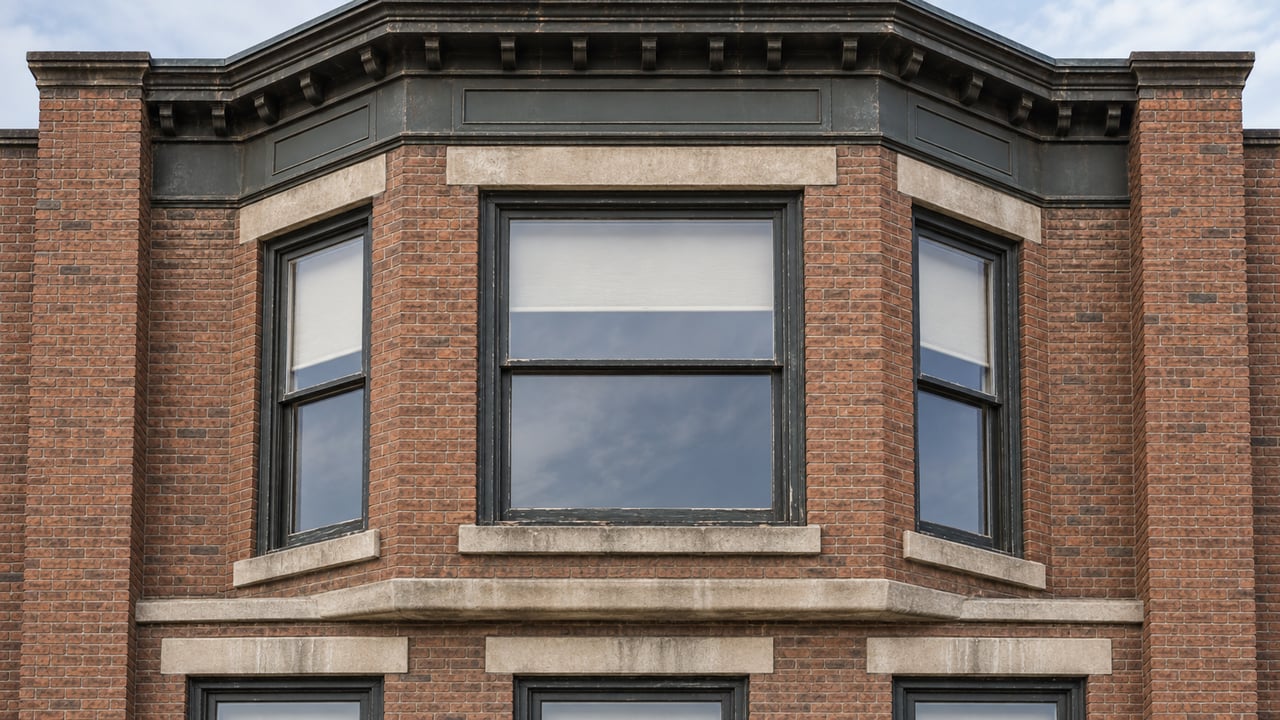
Records show a three-flat on North Albany Avenue in Logan Square was listed on April 25, and public showings started two days later. In a lawsuit filed July 1 in Cook County Circuit Court, the building's tenants say that schedule is wrong. They allege that at least seven showings took place between March 15 and April 7, and that their notice of intent to sell did not arrive until the end of March, after those showings had already begun, according to Block Club Chicago.
The complaint turns on the order in which things happened, and so far that pattern holds across Logan Square. Under Chicago's Tenant Opportunity to Purchase Act, tenants have almost never bought their buildings. Sellers who end up in court have gotten there through the steps they took before the clock ran out.
The 606 district
The Northwest Side Housing Preservation Ordinance created a tenant right of first refusal inside the 606 Predominance of the Block District, which covers parts of Logan Square, Avondale, Hermosa, Humboldt Park and West Town. It took effect March 1, 2025.
On April 6, 2026, the Department of Housing updated its forms and rules.
Coverage is set parcel by parcel, not by neighborhood name. Late in September 2025, the 31st and 36th Wards were removed from the district.
Tenants almost never complete the purchase
Tenant buyouts are the outcome the ordinance was built around, and they have barely happened. By April 6, 2026, the Department of Housing had heard of at least 217 completed sales or pending listings under the ordinance. Over the same period, three tenant groups had tried to use the right of first refusal. Two failed and one was still in progress. Real estate attorney James Erwin told The Real Deal that he has handled about 75 sales inside the district and that tenants or a third party acting for them bought none of those properties.
The main obstacle is money. The Three Black Cats Tenant Association lives in a five-unit building at 2648 N. Francisco Ave. that was listed for more than $1 million. Its officer, Brenna Townley, told The Daily Line that registering the association was fairly straightforward and that financing was the real hurdle.
Townley also described to The Daily Line what the ordinance gives tenants even when they cannot buy:
"If you don't have money as a tenant association, the biggest thing that TOPA gives you is time."
Both court cases are about the order of events
The two Logan Square cases in court this year both concern what happened before or during the waiting period. Neither is a case of tenants simply outbidding a buyer.
The Albany Avenue complaint alleges a late notice to sell, showings during the 30-day window, and requests for tenants to waive their right during that window, Block Club reported. The asking price was $900,000, and the Cook County Assessor's Office put the market value at $603,060. Leah Levinger of Legal Action Chicago represents the tenants. In The Real Deal's account of the July Albany Avenue lawsuit, which lists the property as 2417 N. Albany and describes it as a two-flat, Levinger said the tenants reached an agreement with a neighbor to buy the building on their behalf and rent it back under an affordability covenant, with closing expected later in October. If that sale closes, it will be the first reported case of the right of first refusal working, and it would not have happened without a lawsuit first.
At 2643 N. California Ave., the tenants allege they were told their leases would end and that they never got the property information the ordinance requires. Earlier this month, Cook County Circuit Court Judge Lynn Weaver-Boyle issued a temporary restraining order pausing the pending sale for 30 days, The Real Deal reported, and the outlet called the order apparently the first of its kind in Chicago. The asking price there is $625,000. Levinger said the tenants are still waiting for the legally required information they need to know what terms they would have to match.
Levinger also told The Real Deal that her firm takes cases where tenants are in a position to make a competitive offer.
Compliance costs
Erwin said that in the district he now starts working with clients, and billing them, as soon as they decide to sell. Title insurers charge more.
The sales count fell, but no study has linked the drop to TOPA
Two- to four-unit buildings held 38.7% of Logan Square's housing units in 2025, according to DePaul University's Institute for Housing Studies, the largest share of any property type. Here is how sales moved in 2025, the ordinance's first year:
| Logan Square sales | 2024 | 2025 | Change |
|---|---|---|---|
| 2–4 unit buildings | 240 | 184 | -23.3% |
| Condominiums | 419 | 376 | -10.3% |
| Single-family homes | 267 | 246 | -7.9% |
| All residential | 948 | 823 | -13.2% |
Two-to-four-unit sales fell more than twice as fast as condo sales. That gap fits the critics' argument, but it does not prove it. The IHS figures cover the whole Logan Square community area, not just the 606 district, and 2025's 184 sales are still close to 2023's 194. No published analysis compares covered blocks with uncovered ones. Levinger's view, as quoted by The Real Deal, is that "this is not some massive disruption of the market."
FAQ
Does it apply in other parts of Chicago? A separate Jackson Park TOPA program took effect April 6, 2026, in parts of Greater Grand Crossing, South Shore and Woodlawn.