Thinking about buying in Logan Square but not sure whether a condo or a single-family home will cost you less each month? You are not alone. With a mix of vintage multi-unit buildings, condo conversions, and new single-family infill, the total cost picture in this neighborhood can be tricky to compare. This guide breaks down every line item that hits your monthly budget, what to watch in HOA documents, how financing differs, and what may matter for resale. Let’s dive in.
Logan Square housing at a glance
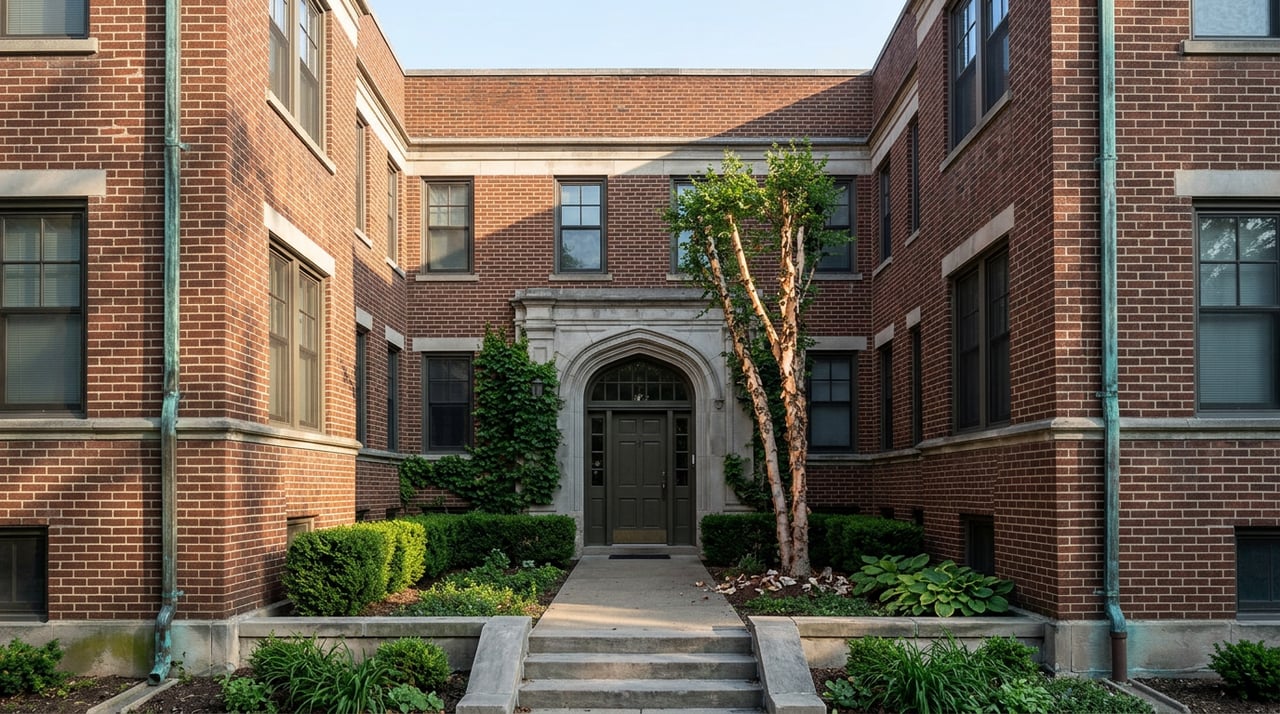
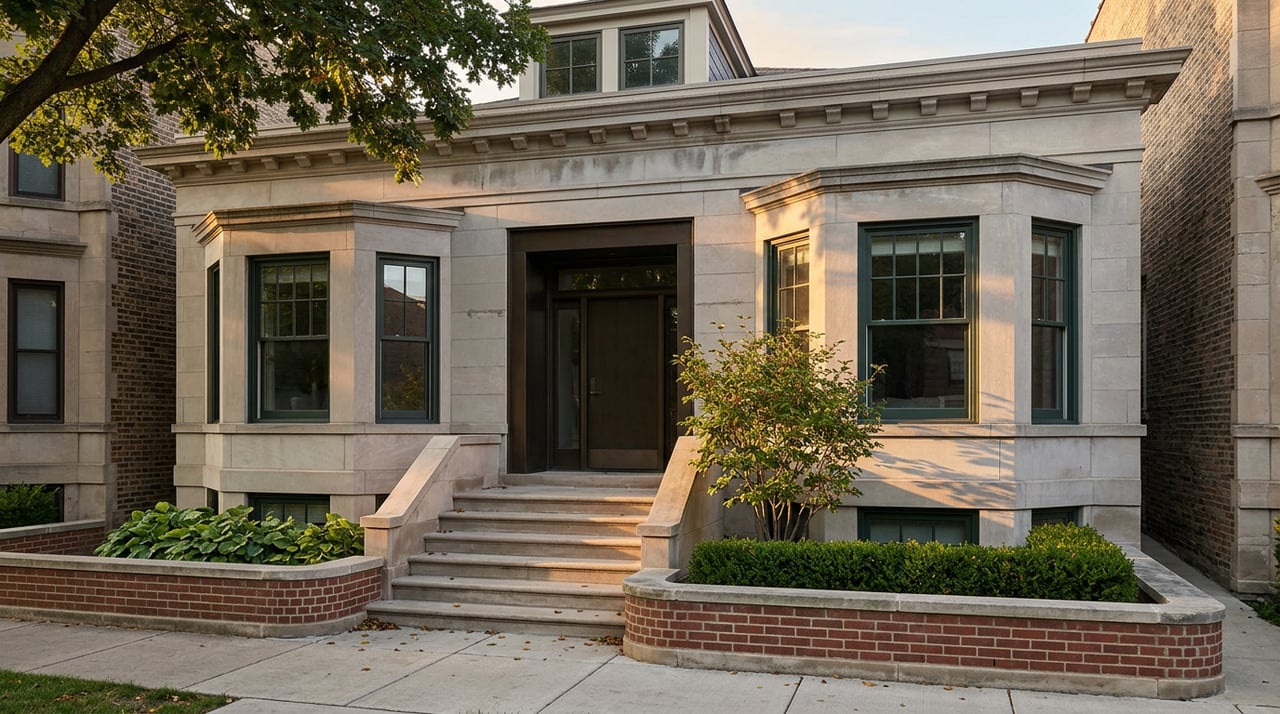
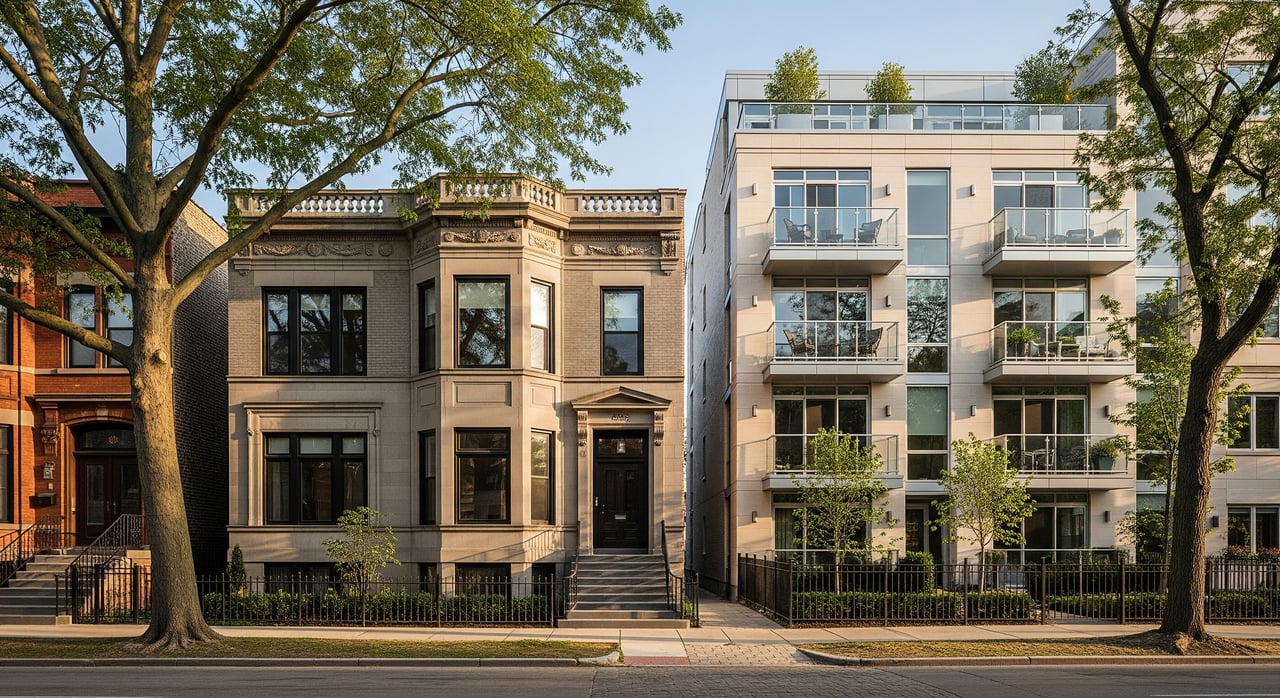
Logan Square offers classic greystones, two-flats converted to condos, walk-up and mid-rise condo buildings, and newer single-family homes. Proximity to the Blue Line and active retail corridors keeps demand steady for both property types. Because buildings vary in age and condition, your carrying costs will depend on HOA health for condos and tax and maintenance needs for single-family homes.
When you compare options, focus on the building’s age and upkeep, reserve funding for larger condo projects, and property tax history for each address. These factors often matter more than the headline list price.
Monthly cost drivers
Your monthly total comes from a handful of categories. Understanding how each works will help you compare apples to apples.
Shared line items
- Mortgage principal and interest
- Property taxes
- Property insurance
- Utilities: electric, gas, water, sewer, trash, internet
- Maintenance and repairs
- Parking or residential permits if needed
Condo vs single-family differences
- Condos add HOA dues that fund building insurance for common elements, exterior maintenance, and reserves. Some utilities may be included.
- Single-family owners pay all exterior and grounds costs directly, which can be higher and less predictable but gives you full control over timing and scope.
- Condo financing can involve project approvals and lender requirements that single-family homes typically avoid.
Side-by-side cost model
Use this framework to build your own comparison with real property inputs. Avoid ballpark guesses when you can pull actual figures.
| Component | How to estimate monthly | Condo vs single-family notes |
|---|---|---|
| Mortgage P&I | Use price, down payment, rate, and term with a standard amortization calculator | Similar mechanics for both. Some lenders set stricter terms for certain condo projects. |
| Property taxes | Use last year’s tax bill then divide by 12 | Condo taxes are assessed by unit. Single-family taxes apply to the full parcel and structure. |
| Insurance | Divide annual premium by 12 | Condo uses HO-6 for interior and liability. Single-family uses HO-3 or HO-5 for full structure and site, often higher premium. |
| HOA dues | Monthly HOA plus any prorated special assessment | Condos only. Confirm what dues cover and reserve contributions. |
| Utilities | Sum monthly electric, gas, water, sewer, trash, internet | Some condo dues include water, heat, or trash. Single-family usually pays all utilities. |
| Maintenance reserve | Convert annual reserve to monthly | Single-family: budget roughly 1 to 3 percent of value per year. Condo: budget for interior 0.25 to 1 percent plus exposure to assessments. |
| Parking and permits | Monthly parking fee or annual residential permit divided by 12 | Some condos include a space. Many streets use residential permits. |
Where to find inputs
- Property taxes and exemptions: check the assessed value and latest bills on the Cook County Assessor and Cook County Treasurer.
- Association health: request the budget, reserve study, meeting minutes, and special assessment history from the seller or property manager. For best practices on reserves, review the Community Associations Institute.
- Insurance: compare HO-6 vs HO-3 coverage and costs with guidance from the Insurance Information Institute.
- Utilities: use recent seller bills. For rate context, see ComEd for electric and Peoples Gas for gas. Water and sewer are billed by the city.
- Parking: check the City of Chicago residential permit parking program for neighborhood specifics and fees.
HOA reserves and risk
HOA dues cover day-to-day operations, the master insurance policy, and reserves for future capital projects. Healthy reserves reduce the chance of large special assessments. Ask for the last reserve study and look for a clear plan that matches the building’s age and major component timelines. The Community Associations Institute recommends regular reserve studies and disciplined funding.
In older Chicago masonry buildings, façade and parapet work, roofs, and porches are common big-ticket items. If reserves are thin, you may see special assessments to fund these projects. For single-family homes, you control timing, but you must plan for roofs, HVAC, windows, masonry, and site work. A practical approach is to set an annual maintenance reserve, then adjust based on inspection findings and the age of major systems.
Financing and insurance
Condo project approvals
Some loan programs require condo project approvals or set underwriting criteria for the association’s budget, reserves, and owner-occupancy. Review FHA condo approval status on HUD. Conventional loans also evaluate project health. You can read general standards on Fannie Mae. Early confirmation of a building’s eligibility can save time and help you avoid a financing surprise.
Insurance basics
Condo owners typically carry HO-6 policies that cover interior finishes, personal property, and liability. The building’s master policy covers common areas and the exterior. Ask whether the master policy is “bare walls” or “single entity,” and whether you need loss assessment coverage. Single-family owners carry HO-3 or HO-5 that insures the entire structure and site features. For coverage types and considerations, consult the Insurance Information Institute.
Taxes and city costs
Cook County taxes
Taxes vary by property type and assessed value. For a single-family home, you are taxed on the entire parcel. For condos, your tax bill reflects your unit’s allocated share. Exemptions like the homeowner exemption can lower your bill. Verify the latest figures and any exemptions on the Cook County Assessor and confirm payment history on the Cook County Treasurer.
Utilities and parking
Energy costs depend on square footage, mechanical systems, and how efficient the property is. Get rate info from ComEd and Peoples Gas. The City of Chicago bills water and sewer, and many streets use residential permit parking. Check the City of Chicago residential permit parking program to see whether permits apply on your block.
Resale dynamics
In many cycles, single-family homes attract a broader buyer pool and can show stronger appreciation. In Logan Square, ongoing renovation and infill often support single-family values on targeted blocks. Condos can appreciate, but they are more sensitive to supply and association health. High HOA dues or a history of frequent special assessments can reduce buyer demand. If you want to track future supply, you can review neighborhood permit activity through the City of Chicago Department of Buildings.
Listing review checklist
Use this quick list to confirm real costs before you write an offer.
- HOA dues and what they include: heat, water, trash, cable, internet
- Reserve study date and recommended annual reserve contribution
- Last 3 to 5 years of HOA budgets, minutes, and special assessments
- Master insurance policy type and coverage details
- Current property tax bill and exemptions on record
- Utility bills for the last 12 months or seller-provided averages
- Parking details: included space, rental cost, or residential permit area
- Age and condition of roof, windows, HVAC, plumbing, electrical
- Any known city violations, permits, or upcoming capital projects
Lifestyle fit checklist
Score each item from 0 to 2. Add your points to see which way you lean.
- Private outdoor space matters to me: 0 not at all, 2 very important
- I want low-maintenance living: 0 not a priority, 2 top priority
- I prefer predictable monthly costs over project control: 0 prefer control, 2 prefer predictability
- I plan to renovate or customize the exterior: 0 unlikely, 2 very likely
- I value building amenities like a gym or roof deck: 0 not needed, 2 important
- I need a private garage or driveway: 0 not needed, 2 important
- I am comfortable with association rules and approvals: 0 not comfortable, 2 very comfortable
- I may rent the property in the future: 0 unlikely, 2 likely
- I rely on transit more than a car: 0 not really, 2 mostly transit
- I am willing to coordinate contractors and maintenance: 0 not willing, 2 willing
Tally your score. Higher scores on predictability, amenities, and low-maintenance often point to a condo. Higher scores on space, control, and renovation flexibility often point to a single-family home.
Get guidance
You deserve a clear, data-backed comparison that reflects the specific building or block you are considering. If you want a side-by-side model with real taxes, HOA documents, utility history, and financing options for your shortlist, reach out. John Charmelo blends market analytics, hands-on rehab experience, and high-touch coordination so you can buy with confidence.
FAQs
Are condos cheaper each month in Logan Square?
- Sometimes. Lower taxes and smaller interiors help, but HOA dues and special assessments can offset savings. What the HOA covers is key.
How risky are special assessments in older Chicago condos?
- Risk depends on reserve funding and building age. Ask for the latest reserve study, budgets, minutes, and recent projects before you buy.
Do condo owners avoid maintenance costs entirely?
- No. You still handle interior upkeep and may share costs for big exterior projects through HOA dues or assessments.
What financing hurdles do condos face compared with houses?
- Some loans require condo project approvals and minimum reserve or occupancy ratios. Check building eligibility early on HUD for FHA and Fannie Mae for conventional.
How do I verify property taxes for a specific address?
- Look up assessed value, exemptions, and bills on the Cook County Assessor and payment history on the Cook County Treasurer.